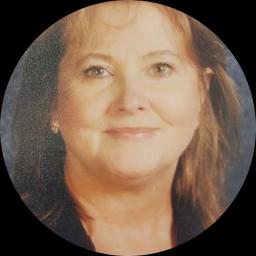
About Miriam
Dr. Miriam Turner welcomes people who are feeling overwhelmed by anxiety, stress, depression, or big life changes. She helps individuals who are dealing with grief, relationship strain, bipolar mood concerns, or ongoing pressure from caregiving and health challenges.
Sessions are offered in English and Spanish, and she practices as an LPC in Texas. With eight years of professional experience, she focuses on helping people name problems and build practical ways to cope.
Background and approach
Miriam emphasizes short, clear steps that fit into a busy life. She listens for patterns like abandonment or attachment issues, control and communication problems, and the effects of isolation or shame. Miriam uses evidence-based therapeutic techniques to guide conversations about body image, self-esteem, money stress, and life purpose.
She supports people facing divorce or separation, chronic pain or illness, and the specific strains that come with military or veteran-related concerns. Her approach is straightforward and goal-oriented. In sessions she works alongside each person to set priorities and try strategies that match their needs.
She encourages gentle experiments between sessions to test new ways of coping. Progress is tracked in small, practical steps rather than abstract promises. Starting therapy is framed as a step anyone can take when things feel heavy.
Miriam aims to make early sessions feel manageable and focused on what matters most to the person seeking help.
Evidence-based approaches and flexible online care
People often benefit from brief, structured techniques that teach new ways to manage anxiety and mood. One approach focuses on identifying unhelpful thoughts and testing them with real-life experiments. This helps reduce worry and improves daily functioning by changing how situations are interpreted. Another common technique targets behavior - planning small, achievable activities that restore routine, lift mood, and reduce avoidance. That approach is useful for depression, low motivation, and chronic stress. Choosing the right method is a collaborative process. The therapist will talk with the person about their goals, symptoms, and what feels most useful. Together they decide which techniques to try and adjust the plan as progress is seen. Online sessions are offered by video calls, phone sessions, live chat, or text-based messaging to match different needs. Video is good for face-to-face conversation and reading nonverbal cues. Phone works well when bandwidth is limited or when someone needs a quicker check-in. Live chat and messaging allow frequent, shorter exchanges and ongoing support between appointments. These options make it easier to fit therapy into work, caregiving, or other busy schedules while keeping the focus on practical change.Questions people ask
What concerns does this therapist address?
What is the therapeutic style like?
How much clinical experience does she have?
What are her credentials and where is she located?
Which languages are supported?
What session formats are offered?
How does payment and cost work?
How do I begin working with her?
What this therapist works with
Most often
- Stress, Anxiety
- Relationship issues
- Grief
Also listed
- Abandonment
- Attachment issues
- Bipolar disorder
- Body image
- Caregiver issues and stress
- Chronic pain, illness, and disability
- Communication problems
- Control issues
- Depression
- Divorce and separation
- Forgiveness
- Guilt and shame
- Isolation / loneliness
- Life purpose
- Midlife crisis
- Money and financial issues
- Mood disorders
- Multicultural concerns
- Narcissism
- Panic disorder and panic attacks
- Post-traumatic stress
- Pregnancy and childbirth
- Self-love
- Sexuality
- Social anxiety and phobia
- Traumatic brain injury
- Veteran and Armed Forces Issues
- Women's issues
- Workplace issues
- Experience
- 8 years
- Licensed
- Texas
- Languages
- English, Spanish
We will earn a commission if you sign up through our link, at no cost to you.