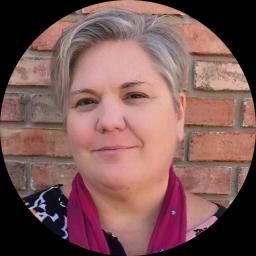
About Michelle
Michelle Olson is a licensed social worker who focuses on practical, person-centered care. She uses straightforward conversation to help people manage stress, anxiety, addiction challenges, low self-esteem, and depression. Michelle holds a Master of Social Work and practices as an LMSW and LCSW in Indiana.
She usually begins by listening closely to what matters most to the person in front of her. Sessions aim to clarify patterns that keep someone stuck and to identify small, doable steps forward.
Background and approach
Michelle draws on techniques from cognitive behavioral therapy and dialectical behavior therapy to help change unhelpful thinking and improve emotional regulation. Mindfulness and motivational interviewing are also part of her approach when they fit the client’s goals. Mindfulness exercises help many people notice stress responses sooner.
Motivational interviewing can boost readiness for change around substance use or other habits. With 18 years of experience, Michelle has worked with a wide range of concerns including compassion fatigue, control and attachment issues, codependency, and problems with impulses or money. She aims to keep language simple and the plan practical, so progress is visible between sessions.
Her practice offers video, phone, live chat, and text-based messaging for ongoing support. Michelle encourages questions and a collaborative plan so each person can move at their own pace.
Evidence-based approaches adapted for online care
Michelle commonly uses cognitive behavioral therapy and dialectical behavior therapy in online sessions. CBT focuses on identifying and changing unhelpful thoughts and behaviors, which is useful for anxiety, depression, and stress. DBT teaches skills for emotion regulation, distress tolerance, and better interpersonal communication, which can help when impulses or intense emotions get in the way.She also brings a client-centered attitude that keeps the work collaborative. Together the therapist and client decide which methods feel most useful. That means trying an approach, checking how it works, and adjusting the plan based on goals and preferences.
Online formats include video calls, phone sessions, live chat, and text-based messaging to make therapy more flexible. Video calls allow face-to-face conversation and skill practice. Phone sessions can fit a quick check-in or work better when bandwidth is limited. Live chat and text messaging let people send brief updates, ask questions between sessions, or use written check-ins when typing feels easier. These options help therapy fit into day-to-day life while keeping the focus on practical tools and steady progress.
Questions people ask
What kinds of problems does Michelle help with?
What is her therapeutic style like?
How much clinical experience does she have?
Where is she licensed and practicing?
Which languages are sessions offered in?
What formats are available for sessions?
How does pricing work for sessions?
How do I begin working with her?
What this therapist works with
Most often
Also listed
- Abandonment
- Attachment issues
- Codependency
- Communication problems
- Compassion fatigue
- Control issues
- Depression
- Drug and alcohol addiction
- Emptiness
- Family problems
- Forgiveness
- Guilt and shame
- Impulsivity
- Isolation / loneliness
- Life purpose
- Midlife crisis
- Money and financial issues
- Mood disorders
- Seasonal Affective Disorder (SAD)
- Self-love
- Social anxiety and phobia
- Women's issues
- Workplace issues
Therapeutic approaches
- Experience
- 18 years
- Licensed
- Indiana, Michigan
- Languages
- English
We will earn a commission if you sign up through our link, at no cost to you.