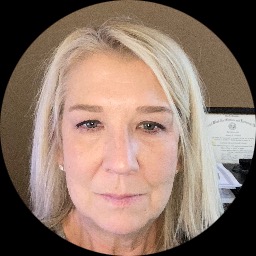
About Maura
Maura Plourde is a licensed clinical social worker in North Carolina with 15 years of experience. She helps people who are feeling overwhelmed by stress or anxiety and those coping with grief, loss, or life changes. Her approach is steady and respectful, aimed at meeting each person where they are.
Maura focuses on practical conversation and collaborative planning. She listens for what matters most and then works with people to set clear, manageable steps.
Background and approach
That might mean trying small behavior changes, looking at unhelpful thinking patterns, or identifying ways to reduce daily strain like compassion fatigue. Sessions are shaped around a person's needs and goals. Maura draws on Client-Centered Therapy to follow the client’s lead and build a supportive relationship.
She also uses Cognitive Behavioral Therapy to spot patterns that keep problems going and Solution-Focused techniques to find quick, realistic improvements. People who come to Maura often want help with depression, mood concerns, caregiver stress, chronic illness, or feeling isolated. She also addresses issues like body image, money worries, communication problems, and end-of-life matters.
Her style is practical, calm, and direct, with an emphasis on small steps that add up. Her work is collaborative. Maura helps clarify priorities, set achievable goals, and track progress.
She encourages people to use skills between sessions so they can see change in daily life.
How Maura’s Approaches Work Online
Maura uses Client-Centered Therapy to create a listening space where the client sets the pace and topics. This approach helps people who need empathy and a steady presence while they sort out feelings and priorities.She also draws on Cognitive Behavioral Therapy, which looks at the links between thoughts, feelings, and actions. CBT is useful for anxiety, depression, and stress because it offers concrete skills to change unhelpful thinking and behavior patterns.
Choosing the right approach is part of the work together. Maura collaborates with each person to decide which methods fit their goals, needs, and preferences. She will check in regularly and adjust the plan as progress is made.
Online options include video calls, phone sessions, live chat, and text-based messaging. Video is good for face-to-face conversation and visual cues, phone can fit into a short break or lower bandwidth, live chat works for quick check-ins, and text messaging supports ongoing check-ins between sessions. These formats aim to make therapy flexible and easier to fit into daily life.
Questions people ask
What concerns does this therapist commonly address?
What is the general therapy style and approach?
How much experience does she have?
What credentials and location are listed?
Which languages are sessions offered in?
What session formats are available?
How are costs handled for sessions?
What steps are needed to begin therapy?
What this therapist works with
Most often
Also listed
- Aging and geriatric issues
- Body image
- Caregiver issues and stress
- Chronic pain, illness, and disability
- Communication problems
- Compassion fatigue
- Control issues
- Coping with life changes
- Divorce and separation
- Forgiveness
- Guilt and shame
- Hospice and end-of-life counseling
- Impulsivity
- Isolation / loneliness
- Life purpose
- Money and financial issues
- Mood disorders
- Self-love
- Social anxiety and phobia
- Workplace issues
Therapeutic approaches
- Experience
- 15 years
- Licensed
- North Carolina
- Languages
- English
We will earn a commission if you sign up through our link, at no cost to you.