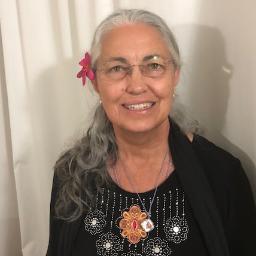
About Maudeen
Maudeen Jordan is a licensed clinical social worker with three decades of counseling experience. She focuses on helping people manage anxiety, stress, grief, depression, and life transitions. Maudeen combines practical tools with a warm, down-to-earth style so conversations feel calm and direct.
She trained at California State University in San Jose and earned her LCSW in 1990. Her early work included supporting children with developmental disabilities and their parents. She later ran a independent practice addressing depression, PTSD, anxiety, and bereavement.
Background and approach
Maudeen has also worked as a hospice bereavement coordinator, counseling individuals, children, and groups through loss. That role shaped her approach to end-of-life issues and grief work. It also deepened her emphasis on self-care for caregivers and family members.
Her clinical approach blends client-centered listening, cognitive behavioral ideas, mindfulness, emotionally-focused techniques, and EMDR for trauma. She often suggests journaling and simple homework to build insight and small, steady progress. Sessions aim to identify clear next steps that fit each person’s life.
Maudeen brings life experience as well as professional training. She values spirituality and meditation as resources for healing when they matter to a person. She also offers life coaching tools for people who want practical planning alongside therapy.
How Maudeen’s Approaches Work Online
Client-centered therapy focuses on listening and building on a person’s strengths to set goals and make small changes; it is useful for anxiety, life transitions, and improving self-esteem. Cognitive Behavioral Therapy (CBT) looks at how thoughts and behaviors affect mood and teaches practical skills to reduce worry and manage stress. Eye Movement Desensitization and Reprocessing (EMDR) is used to process traumatic memories and can be helpful for post-traumatic stress and lingering trauma symptoms.Maudeen works collaboratively to find the right approach. She will talk with each person about their needs, goals, and preferences and suggest tools or methods to try. Many people blend styles at first and adjust over time as they learn what helps.
Online sessions are offered by video call, phone, live chat, or text-based messaging to fit different schedules and needs. Video calls allow face-to-face conversation for skills practice and EMDR work, phone sessions may be simpler when bandwidth or screen time is limited, and chat or messaging can support shorter check-ins or ongoing coaching between sessions. These options make it easier to fit therapy into a busy life and to keep progress moving forward.
Questions people ask
What concerns does she help with?
What is her therapy style like?
How long has she been practicing?
What credentials and region are listed?
Are sessions offered in other languages or internationally?
What session formats are available?
How is pricing handled?
How do I begin working with her?
What this therapist works with
Most often
Also listed
- ADHD
- Aging and geriatric issues
- Anger management
- Bipolar disorder
- Career difficulties
- Coaching
- Compassion fatigue
- Coping with life changes
- Depression
- Family conflicts
- Family of origin issues
- Family problems
- Forgiveness
- Guilt and shame
- Hospice and end-of-life counseling
- Isolation / loneliness
- Life purpose
- Parenting issues
- Post-traumatic stress
- Relationship issues
Therapeutic approaches
- Experience
- 30 years
- Licensed
- Oregon
- Languages
- English
We will earn a commission if you sign up through our link, at no cost to you.