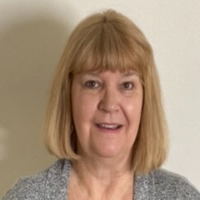
About Mary
Mary Ellen Cullity is a Licensed Clinical Social Worker with ten years of experience helping people manage anxiety, stress, grief, and changes in life. She focuses on everyday challenges like parenting, relationships, and shifting self-esteem. Her tone is calm and direct, aimed at someone who needs practical support right now.
She spent much of her career in maternal and child health, early intervention, and hospice. That work brought experience with pregnancy, postpartum concerns, and end-of-life situations.
Background and approach
Those settings shaped how she listens for what matters most to each person. Sessions center on the individual’s goals. Mary Ellen uses client-centered methods to follow what clients say matters, and Cognitive Behavioral Therapy to spot and shift unhelpful thinking.
Mindfulness techniques are added when it helps people manage strong feelings or stay present in hard moments. She also draws on motivational interviewing and solution-focused tools to build momentum and practical steps forward. This combination supports people facing family problems, career stress, trauma, or feelings of emptiness and isolation.
The work aims to make small, manageable changes that add up over time. Mary Ellen works with people in New Hampshire and conducts sessions in English. Her approach is patient and non-judgmental, and she encourages clients who feel stuck to try focused, goal-oriented work that fits their life and needs.
How therapeutic approaches fit into online care
Client-centered work means the therapist follows the client’s lead, listening closely and shaping sessions around the person’s goals. This approach helps when someone needs support sorting priorities, improving parenting skills, or coping with life changes.Cognitive Behavioral Therapy focuses on the link between thoughts, feelings, and actions. It uses practical exercises and short experiments to change unhelpful thinking and reduce anxiety or depressive patterns. Mindfulness Therapy adds attention skills that help manage strong emotions and stay grounded during stress or grief.
Choosing the right approach is a collaborative process. The therapist will discuss what feels most useful, try techniques in session, and adjust based on how the client responds. Goals, daily routines, and personal preferences all shape the plan.
Online formats like video calls, phone sessions, live chat, and text messaging make it easier to fit therapy into a busy life. Video lets people see nonverbal cues and have a longer conversation. Phone sessions can be a simpler option when bandwidth is limited. Live chat and text work well for brief check-ins, step-by-step planning, or when typing feels easier than talking. These options give flexibility while using the same therapeutic tools described above.
Questions people ask
What sorts of concerns does she help with?
What is her general approach in sessions?
How long has she been practicing?
What credentials and region are listed?
Does she offer sessions in other languages?
Which session formats are available?
How does payment and cost work?
How do I begin working with her?
What this therapist works with
Most often
- Stress, Anxiety
- Grief
- Parenting issues
Also listed
- Abandonment
- ADHD
- Adoption and foster care
- Anger management
- Attachment issues
- Blended family issues
- Cancer
- Career difficulties
- Coping with life changes
- Depression
- Emptiness
- Family conflicts
- Family of origin issues
- Family problems
- Forgiveness
- Guilt and shame
- Isolation / loneliness
- Midlife crisis
- Postpartum depression
- Pregnancy and childbirth
- Relationship issues
- Self esteem
- Self-love
- Trauma and abuse
- Women's issues
Therapeutic approaches
- Experience
- 10 years
- Licensed
- New Hampshire
- Languages
- English
We will earn a commission if you sign up through our link, at no cost to you.