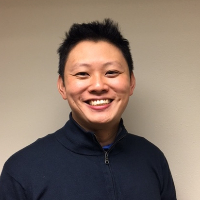
About Mark
Mark Yeung is a Licensed Clinical Social Worker (LCSW) based in Oregon who uses practical, skills-based therapy to help people manage stress and anxiety. He brings 12 years of experience and a calm, straightforward style to sessions. He aims to make therapy feel like a useful conversation, not a lecture.
He often draws on Cognitive Behavioral Therapy (CBT) to identify unhelpful thoughts and replace them with more helpful ones. He also uses Acceptance and Commitment Therapy (ACT) to help clients notice difficult feelings without getting stuck, and Dialectical Behavior Therapy (DBT) for emotion regulation skills.
Background and approach
Sessions focus on concrete tools to try between meetings. Mark has worked with people facing grief, chronic illness, caregiving stress, and life transitions. He has experience supporting those dealing with addiction, trauma, anger, and relationship strain.
He also addresses concerns such as sleep, eating, self-esteem, and career stress. His approach is humanistic and client-centered. He listens for what matters to each person and builds goals together.
He emphasizes the simple things that change day-to-day life, like small behavior shifts and clearer communication. People who choose him can expect straightforward feedback and practical homework between sessions. He believes good therapy combines empathy with actions clients can use right away.
If that approach feels like a fit, he asks people to begin with a short matching questionnaire and schedule a first session.
How therapy approaches translate online
Acceptance and Commitment Therapy, or ACT, helps people notice painful thoughts and feelings and then move toward what matters most. It is useful for anxiety, stress, and coping with life changes by teaching values-based action. Cognitive Behavioral Therapy, or CBT, focuses on identifying and changing unhelpful thinking and behavior patterns. It is often used for anxiety, depression, and sleep or eating concerns by offering concrete exercises to practice between sessions.Choosing the right approach is part of the work. The therapist will talk with the client about goals, try methods that fit the person, and adjust as needed. That collaborative process helps find which tools feel most helpful for everyday life.
Online formats such as video calls, phone sessions, live chat, and text-based messaging make it easier to fit therapy into a busy schedule. Video sessions allow face-to-face interaction for skills practice. Phone sessions can work when bandwidth is limited or when a shorter check-in is needed. Live chat or text messaging can be useful for brief updates, homework check-ins, or times when typing feels easier than speaking. These options increase flexibility and make it simpler to use therapeutic tools consistently.
Questions people ask
What kinds of problems does he address?
What is his therapy style like?
How much experience does he have?
What credentials and location information are listed?
Which languages are sessions offered in?
What session formats are available?
How is cost handled?
How do I begin working with him?
What this therapist works with
Most often
- Stress, Anxiety
- Relationship issues
- Grief
Also listed
- Addictions
- ADHD
- Aging and geriatric issues
- Anger management
- Attachment issues
- Bipolar disorder
- Cancer
- Career difficulties
- Caregiver issues and stress
- Chronic pain, illness, and disability
- Coaching
- Codependency
- Communication problems
- Compassion fatigue
- Coping with life changes
- Depression
- Eating disorders
- Family conflicts
- Family of origin issues
- Family problems
- Fatherhood issues
- Guilt and shame
- Hospice and end-of-life counseling
- Immigration issues
- Intimacy-related issues
- LGBT
- Multicultural concerns
- Parenting issues
- Prejudice and discrimination
- Self esteem
- Sleeping disorders
- Trauma and abuse
- Traumatic brain injury
Therapeutic approaches
- Experience
- 12 years
- Licensed
- Oregon, Washington, California
- Languages
- English
We will earn a commission if you sign up through our link, at no cost to you.