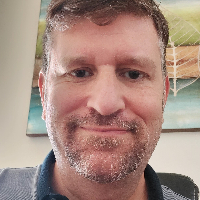
About Mark
Mark Gruber is a licensed mental health counselor with 20 years of experience. He focuses on anxiety and related concerns and aims to create a trusting, down-to-earth connection. He speaks English and offers sessions to people in Florida and international clients.
He draws on client-centered therapy to build a respectful, empathetic relationship. That means listening first and shaping sessions around each person's goals. He pairs that with cognitive behavioral techniques to help people notice unhelpful thoughts and try different behaviors.
Background and approach
Mindfulness skills are used to help with stress, anxiety, and mood regulation. Mark has particular experience with substance use and LGBT concerns, and he brings his own long-term sobriety into the work. That lived experience often shapes how he talks about addiction, recovery, and making concrete changes.
He also supports people coping with depression, bipolar mood shifts, anger, grief, and major life transitions. Sessions often include practical steps, problem-solving, and moments of humor when appropriate. He uses motivational interviewing and solution-focused strategies to help people set small, achievable goals and stay motivated between meetings.
Communication problems, family of origin issues, and questions about sexuality or life purpose are common topics he addresses. His approach is straightforward and humane. He prioritizes building rapport and trust before moving into skills or homework.
People who want a counselor who listens, offers practical tools, and brings real-world recovery experience may find this style helpful.
Using practical approaches in online therapy
Client-centered therapy focuses on listening and building a respectful relationship. In online sessions this means the therapist starts by understanding each person's goals and adapts the pace to what feels most useful. Cognitive behavioral therapy helps people identify unhelpful thoughts and try different behaviors to reduce anxiety and improve mood. Online CBT often includes short exercises or steps to practice between meetings.Finding the right approach is part of the work. The therapist will collaborate with each person to choose techniques that match their goals and comfort level. That might mean combining mindfulness exercises with solution-focused tasks or using motivational interviewing to support change. The choice is shaped by the person's needs, not by one fixed method.
Online formats include video calls, phone sessions, live chat, and text-based messaging, which makes it easier to fit therapy into a busy life. Video is useful for in-depth conversations and visual cues. Phone sessions can work well when bandwidth is limited or for a brief check-in. Live chat and text are helpful for shorter updates, tracking progress, or when someone prefers written communication between meetings. These options offer flexibility so people can keep working toward their goals from different places and schedules.
Questions people ask
What kinds of concerns can be addressed here?
How would you describe the therapeutic style?
What background and experience does the counselor have?
What are the credentials and where is the therapist located?
Are sessions available in other languages or internationally?
Which session formats are offered?
How does payment and cost work?
What should I do to begin working with this counselor?
What this therapist works with
Most often
Also listed
- ADHD
- Anger management
- Bipolar disorder
- Career difficulties
- Communication problems
- Coping with life changes
- Depression
- Drug and alcohol addiction
- Family conflicts
- Family of origin issues
- Grief
- Intimacy-related issues
- Life purpose
- Mood disorders
- Relationship issues
- Self esteem
- Sexuality
Therapeutic approaches
- Experience
- 20 years
- Licensed
- Florida
- Languages
- English
We will earn a commission if you sign up through our link, at no cost to you.