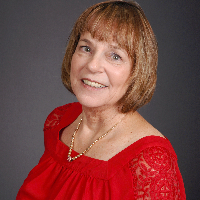
About Nanine
Nanine "Marie" Dickson is a licensed counselor who helps people manage stress and anxiety. She focuses on practical steps people can use right away. Her style is straightforward and centered on the client's own strengths.
Marie brings 12 years of clinical experience and a background in education to her work. She asks questions to clarify what matters most and helps people notice choices they already have. Sessions emphasize clear next steps for work, relationships, and daily life.
Background and approach
Her approach often uses cognitive behavioral ideas to spot unhelpful thoughts and test new behaviors. She also draws on attachment-based concepts to look at how early relationships shape current patterns. Mindfulness and solution-focused techniques are used to build simple coping skills and short-term goals.
People come to her for a wide range of concerns, including trauma, addiction, anger, grief, parenting stress, and career shifts. She also supports those facing compassion fatigue, postpartum mood changes, seasonal mood shifts, and issues that involve communication or caregiver strain. Marie holds the LPC credential and the Licensed Mental Health Counselor designation.
She practices from Texas and conducts sessions in English. Her work is aimed at helping people find doable, realistic changes rather than quick fixes.
How her approaches translate to online care
Attachment-based work looks at how early relationship patterns shape current reactions. Online sessions can be used to notice these patterns and practice different responses in real time. Cognitive Behavioral Therapy (CBT) focuses on identifying unhelpful thoughts and testing small behavior changes; it works well in short, action-oriented online sessions where homework and thought records are reviewed. Mindfulness Therapy teaches simple attention and breathing practices to reduce reactivity and improve emotional regulation, which can be practiced between meetings. Finding the right approach is part of the process. She collaborates with each person to choose methods that match their goals, needs, and comfort with tools like worksheets or mindfulness exercises. That collaborative planning helps shape the pace and focus of work together. Online therapy offers flexible ways to connect. Video calls allow face-to-face conversation for deeper dialogue. Phone sessions are useful when bandwidth is limited or screen time is not desired. Live chat and text-based messaging support quick check-ins, shorter coaching-style work, or follow-up between longer sessions. These options make it easier to fit therapy into work, parenting, or busy schedules while keeping the work practical and goal oriented.Questions people ask
What concerns does she address?
How would you describe her therapeutic style?
What is her clinical experience?
What credentials and region apply?
Which languages are supported?
What session formats are available?
How does payment and cost work?
What are the steps to begin therapy?
What this therapist works with
Most often
- Stress, Anxiety
- Trauma and abuse
- Anger management
Also listed
- Addictions
- ADHD
- Attachment issues
- Career difficulties
- Caregiver issues and stress
- Communication problems
- Compassion fatigue
- Coping with life changes
- Depression
- Drug and alcohol addiction
- Emptiness
- First responder issues
- Forgiveness
- Grief
- Intellectual disability
- Jealousy
- Life purpose
- Mood disorders
- Narcissism
- Parenting issues
- Postpartum depression
- Relationship issues
- Seasonal Affective Disorder (SAD)
- Self esteem
- Self-harm
- Self-love
- Social anxiety and phobia
- Veteran and Armed Forces Issues
Therapeutic approaches
- Experience
- 12 years
- Licensed
- Texas, Washington
- Languages
- English
We will earn a commission if you sign up through our link, at no cost to you.