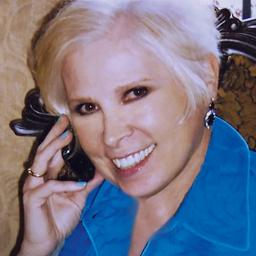
About Louise
Louise Laine greets people who feel overwhelmed by stress, anxiety, or big life changes. She writes and speaks plainly, and she focuses on helping people find practical ways forward. Her style is steady and client-led, with attention to daily coping and small, achievable steps.
She has 25 years of experience working in independent practice, education, and career settings. Her work often centers on worry, panic, grief, relationship strain, and questions about purpose and self-worth.
Background and approach
Louise combines techniques that help people recognize unhelpful thoughts with approaches that emphasize personal meaning and mindful awareness. Sessions begin with listening to what matters most to the person who reached out. From there she and the client set clear, realistic goals and try small experiments between meetings.
Conversations include skills for calming anxiety, managing urges, improving mood, and handling conflict or parenting stress. Louise holds a Licensed Professional Counselor credential (LPC) and practices from Michigan. Her background includes long-term clinical work alongside roles in schools and workplace settings.
That experience informs a practical, down-to-earth way of working. People can expect an open, collaborative process where the therapist follows their pace. Therapy blends thought-focused tools, reflective work on meaning and values, and simple mindfulness practices to support steady progress.
Approaches that fit online care
Client-centered therapy focuses on listening and following the person's lead. The therapist creates space for people to set their own goals and guides conversations at a comfortable pace, which works well during video or phone sessions.Cognitive Behavioral Therapy (CBT) looks at patterns of thought and behavior and teaches straightforward skills to reduce anxiety and manage panic. It is often used to try small experiments, change unhelpful thinking, and build coping habits between meetings.
Existential therapy helps people talk about meaning, values, and life choices. This approach can be useful when someone is facing major transitions or wants clarity about purpose alongside symptom-focused work.
Finding the right mix of approaches is part of the process. The therapist collaborates with clients to decide what methods to try based on goals, symptoms, and personal preference. Plans can change as progress is made and new needs appear.
Online therapy offers several practical benefits. Video calls let people maintain face-to-face conversation without travel. Phone sessions work when bandwidth is limited or for shorter check-ins. Live chat and text-based messaging are useful for quick reflections, ongoing coaching, or when writing feels easier than speaking. These options make it simpler to fit therapy into a busy life and keep consistent momentum.
Questions people ask
What concerns does she commonly help with?
What is her general therapy style?
How long has she practiced?
Where is she based and what are her credentials?
Can sessions be conducted in other languages?
What session formats are available?
How does cost work for sessions?
How do I begin working with her?
What this therapist works with
Most often
- Stress, Anxiety
- Family conflicts
- Grief
Also listed
- Addictions
- Aging and geriatric issues
- Anger management
- Career difficulties
- Coaching
- Coping with life changes
- Depression
- Forgiveness
- Life purpose
- Narcissism
- Panic disorder and panic attacks
- Parenting issues
- Relationship issues
- Self esteem
- Self-love
- Social anxiety and phobia
- Women's issues
Therapeutic approaches
- Experience
- 25 years
- Licensed
- Michigan
- Languages
- English
We will earn a commission if you sign up through our link, at no cost to you.