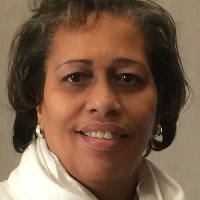
About Lisa
Lisa Davis-Peck is a licensed mental health counselor and marriage and family therapist with 40 years of experience helping people manage stress and anxiety. She frames sessions around practical steps and steady support. Her work addresses depression, trauma, relationship strain, grief, addictions, and struggles with self-esteem and anger.
She uses straightforward methods to help people change patterns that keep them stuck. Sessions focus on emotional regulation, setting reachable goals, and building healthier routines.
Background and approach
Spiritual concerns can be included if the client asks, and faith perspectives are treated as one of many resources to draw on. Lisa blends client-centered listening with goal-oriented techniques. That means she listens first, then helps people try small, doable changes that add up.
Cognitive Behavioral Therapy tools are used to spot unhelpful thoughts and shift behavior in daily life. Mindfulness practices are offered to reduce reactivity and increase calm in the moment. When motivation is low, she uses Motivational Interviewing to help people find reasons to change and take the next steps.
Dialectical Behavior Therapy skills are taught for managing strong emotions and improving relationships. Her Indiana practice emphasizes practical planning. Together with each person she maps out healthier detours around life roadblocks and explores workable options.
The aim is clearer thinking, steadier mood, and more control over day-to-day choices.
How her approaches translate to online therapy
Client-Centered Therapy focuses on close listening and responding to each person's concerns. Online sessions using this approach concentrate on understanding what matters to the client and shaping sessions around their goals. Cognitive Behavioral Therapy (CBT) helps people identify and change unhelpful thoughts and behaviors; online CBT often includes homework, thought records, and step-by-step behavioral experiments that can be discussed in video or text. Dialectical Behavior Therapy (DBT) skills teach emotional regulation, distress tolerance, and better communication; these concrete skills can be practiced between sessions and reviewed by the therapist during video or phone meetings.Finding the right mix of approaches is part of the work. The therapist collaborates with each person to decide which methods fit their needs, goals, and preferences. That shared planning means approaches can shift over time as progress is made or priorities change.
Online formats - video calls, phone sessions, live chat, and text messaging - offer flexibility for different situations. Video is useful for full sessions and skill demonstrations. Phone calls can be easier when bandwidth is limited or for a quick check-in. Live chat and text messaging work well for brief updates, tracking progress, or staying connected between longer sessions. These options help people fit therapy into busy lives and continue work on anxiety and related concerns from wherever they are.
Questions people ask
What kinds of problems does she help with?
What is her overall approach in therapy?
How much clinical experience does she have?
What credentials and location does she hold?
Which languages are available for sessions?
What session formats are offered?
How is cost handled for sessions?
How do I begin working with her?
What this therapist works with
Most often
- Stress, Anxiety
- Relationship issues
- Family conflicts
Also listed
- Abandonment
- Addictions
- ADHD
- Anger management
- Bipolar disorder
- Communication problems
- Depression
- Divorce and separation
- Grief
- Parenting issues
- Post-traumatic stress
- Self esteem
- Trauma and abuse
Therapeutic approaches
- Experience
- 40 years
- Licensed
- Indiana
- Languages
- English
We will earn a commission if you sign up through our link, at no cost to you.