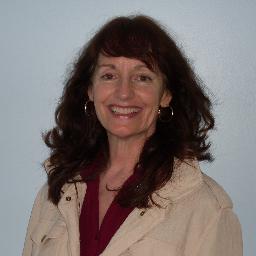
About Linda
Linda Cousens, LCPC, offers practical support for people feeling overwhelmed by stress, anxiety, grief, or big life changes. She uses clear, down-to-earth language and focuses on helping clients make steady progress toward goals they care about. Linda is based in Maine and brings more than two decades of counseling experience to her work.
She helps people who are coping with relationship strain, trauma and abuse, low self-esteem, and challenges with addiction or eating.
Background and approach
Her approach is straightforward and focused on skills you can use between sessions. Sessions aim to quiet worry, build coping strategies, and point toward steady steps forward. Linda blends several approaches to match a person’s needs.
She draws on Acceptance and Commitment Therapy to clarify values and take action, Cognitive Behavioral Therapy to shift unhelpful thinking and behavior, and Client-Centered methods to offer a respectful, listening space. Dialectical Behavior Therapy and existential ideas also inform her work when they fit a person’s goals.
She holds a Master’s degree in Counseling and a Certificate of Advanced Study, and carries the LCPC credential. In independent practice for over 11 years, she has 22 years in the counseling field overall. That background guides a practical style that aims for useful change rather than jargon.
If someone wants to begin, Linda asks people to complete a short matching questionnaire and schedule a first session. She works with people who want coaching, relief from anxiety or depression, help after loss, or clearer direction in life.
How Linda’s Methods Work Online
Acceptance and Commitment Therapy (ACT) helps people clarify what matters to them and take small, meaningful steps toward those values even when anxiety or fear is present. Cognitive Behavioral Therapy (CBT) focuses on identifying and changing unhelpful thoughts and behaviors to reduce symptoms and improve daily functioning. Client-Centered Therapy emphasizes active listening and a respectful, nonjudgmental stance so people feel heard and can explore their goals.Finding the right approach is a collaborative process. The therapist will discuss goals, preferences, and past experience to decide which methods fit best. Sessions can blend approaches so each person gets a plan that matches their needs and pace.
Online work uses video calls, phone sessions, live chat, or text-based messaging to make therapy more flexible. Video calls let people read facial cues and have a deeper conversation. Phone sessions can be easier when bandwidth is limited or for a shorter check-in. Live chat and text messaging are useful for brief updates, questions between sessions, or people who prefer writing. These options help fit therapy into busy schedules and different life rhythms.
Questions people ask
What concerns does this therapist address?
How would sessions feel day to day?
What is her professional background?
What credentials and location are listed?
Which languages are supported for sessions?
What session formats are available?
How does the payment model work?
How do I begin working with this therapist?
What this therapist works with
Most often
- Stress, Anxiety
- Relationship issues
- Trauma and abuse
Also listed
- Addictions
- Anger management
- Career difficulties
- Coaching
- Compassion fatigue
- Coping with life changes
- Depression
- Eating disorders
- Family conflicts
- Grief
- Intimacy-related issues
- LGBT
- Self esteem
Therapeutic approaches
- Experience
- 22 years
- Licensed
- Maine
- Languages
- English
We will earn a commission if you sign up through our link, at no cost to you.