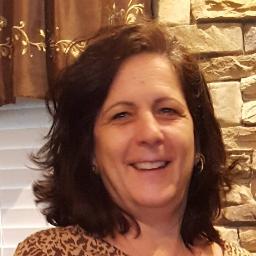
About Lesia
Lesia Lancaster is a Licensed Clinical Mental Health Counselor (LCMHC) who helps people facing stress, anxiety, grief, and trauma. She also supports those coping with life changes, relationship or intimacy concerns, parenting stress, anger, low self-esteem, and depression. Lesia aims to create a calm setting where people can talk and begin to feel more capable.
Lesia uses practical talking and listening to help people sort through difficult feelings. She pays attention to attachment patterns and how past relationships shape present reactions.
Background and approach
Sessions also draw on clear, goal-focused strategies to change unhelpful thoughts and behaviors. Her approach balances gentle challenge and steady support. She does not push people before they feel ready, but she does encourage exploration of thoughts and feelings when it feels safe.
Mindfulness ideas are included to help slow down racing thoughts and reduce overwhelm. Lesia has four years of professional experience and practices in North Carolina as an LCMHC. She works with a range of concerns that often overlap, such as abandonment issues, family of origin problems, codependency, and caregiver stress.
She also addresses grief that comes with hospice and end-of-life situations. People who meet with her can expect straightforward conversation, practical tools, and steps to try between sessions. The goal is to help people regain a sense of choice and move toward a life that feels more meaningful and manageable.
How her approaches translate to online therapy
Attachment-Based Therapy focuses on how early relationships shape current reactions. Lesia pays attention to those patterns so people can understand why certain situations trigger intense anxiety or avoidance. Client-Centered Therapy emphasizes a nonjudgmental, listening stance where the person sets the pace and direction of sessions. This helps people feel heard while they work through difficult emotions.Choosing the right approach is part of the work. Lesia discusses goals and preferences with each person and adjusts methods to fit their needs. The decision is collaborative so people can try different techniques and keep what helps most.
Online sessions are offered through video calls, phone sessions, live chat, or text-based messaging to provide flexibility. Video calls allow face-to-face conversation when that is helpful. Phone sessions can be easier when bandwidth is limited or when someone prefers not to be on camera. Live chat and text-based messaging are useful for shorter check-ins, quick coping strategies, or ongoing support between longer sessions. These options make it simpler to fit care into a busy schedule.
Questions people ask
What concerns does Lesia work with?
How would you describe her therapeutic style?
What is her professional background?
What credential does she hold and where is she based?
In which languages are sessions offered?
What session formats are available?
How does payment and cost work?
How do I begin working with her?
What this therapist works with
Most often
Also listed
- Abandonment
- Anger management
- Attachment issues
- Caregiver issues and stress
- Codependency
- Communication problems
- Coping with life changes
- Coping with natural or human-caused disaster
- Depression
- Divorce and separation
- Emptiness
- Family conflicts
- Family of origin issues
- Family problems
- Guilt and shame
- Hospice and end-of-life counseling
- Intimacy-related issues
- Isolation / loneliness
- Life purpose
- Midlife crisis
- Money and financial issues
- Panic disorder and panic attacks
- Parenting issues
- Post-traumatic stress
- Relationship issues
- Self esteem
- Self-love
- Workplace issues
- Young adult issues
Therapeutic approaches
- Experience
- 4 years
- Licensed
- North Carolina
- Languages
- English
We will earn a commission if you sign up through our link, at no cost to you.