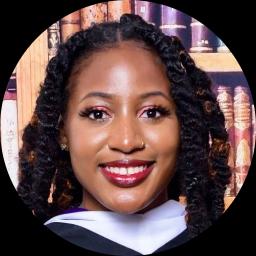
About Latanya
Latanya Buckham is a Licensed Mental Health Counselor (LMHC) based in New York who helps people manage stress, anxiety, depression, and relationship concerns. She focuses on trauma and abuse recovery and on rebuilding self-esteem. Her tone is steady and encouraging for people taking early steps toward change.
She creates a calm space where thoughts and feelings can be spoken about without judgment. Sessions are practical and conversational. She listens first, then works alongside clients to set small, realistic goals.
Background and approach
Latanya draws from cognitive behavioral techniques to help people notice and shift unhelpful thinking. She also uses acceptance and commitment ideas to clarify personal values and build committed action. When emotions run high, she brings in dialectical behavior strategies for grounding and regulation.
For relationship concerns she uses elements of the Gottman Method to improve communication and reduce conflict behaviors. Narrative therapy tools help people rewrite painful stories from their past and see new possibilities for the future. Her approach balances hands-on skill building with attention to underlying patterns from family of origin and attachment history.
With five years of clinical experience she supports people who want clearer thinking, steadier mood, and healthier connections. Sessions are offered in English and are available through video, phone, live chat, or text messaging.
How therapy approaches translate to online care
Acceptance and Commitment Therapy, or ACT, helps people clarify what truly matters to them and take actionable steps in that direction even when hard feelings are present. It can be useful for anxiety, stress, and decisions tied to values. Cognitive Behavioral Therapy, CBT, focuses on identifying unhelpful thoughts and testing them with real-life experiments to change mood and behavior. It often suits anxiety and mood disorders by teaching practical skills. Dialectical Behavior Therapy, DBT, offers concrete emotion regulation and distress tolerance tools for intense feelings and relationship patterns.Choosing the right approach is a collaborative process. The therapist will talk with each person about their goals, preferences, and what has or hasn’t worked before. Together they will try techniques and adjust the plan based on how well those methods fit the person’s needs.
Online therapy offers flexible ways to meet those goals. Video calls let people use visual cues for deep conversations and skill practice. Phone sessions can work when bandwidth is limited or a quieter check-in is needed. Live chat and text messaging are helpful for brief check-ins, coaching between sessions, or when written reflection feels easier. These options make it simpler to fit therapy into a busy life while using the approaches that match the concerns at hand.
Questions people ask
What concerns does she help with?
What is her general therapy style?
What kind of experience does she have?
Where is she licensed and based?
Which languages are supported?
What session formats are available?
How are fees and payment handled?
How do I begin therapy?
What this therapist works with
Most often
- Stress, Anxiety
- Relationship issues
- Trauma and abuse
Also listed
- Abandonment
- Attachment issues
- Avoidant personality
- Body image
- Codependency
- Communication problems
- Dependent personality
- Depression
- Disruptive Mood Dysregulation Disorder (DMDD)
- Family of origin issues
- Family problems
- Forgiveness
- Guilt and shame
- Men's issues
- Mood disorders
- Multicultural concerns
- Postpartum depression
- Seasonal Affective Disorder (SAD)
- Self esteem
- Self-love
- Sexual assault and abuse
Therapeutic approaches
- Experience
- 5 years
- Licensed
- New York
- Languages
- English
We will earn a commission if you sign up through our link, at no cost to you.