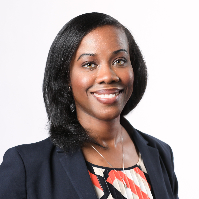
About LaKeesha
Dr. LaKeesha Woods uses a client-centered approach to help people manage stress and anxiety. She is Dr.
LaKeesha Woods, MD, and she brings 13 years of professional experience to her work. Her style is warm and collaborative and focused on practical steps you can try between sessions. She blends straightforward strategies from cognitive behavioral therapy with motivational interviewing to help people find motivation and change unhelpful thinking.
Solution-focused techniques are used to set small, achievable goals and track progress.
Background and approach
Sessions typically focus on identifying strengths, building coping skills, and creating simple plans for everyday life. Dr. Woods has worked with people facing depression, relationship strain, grief, trauma and abuse, and challenges related to addiction and eating concerns.
She also supports those navigating major life changes, parenting stresses, career decisions, and mood-related concerns such as bipolar and ADHD symptoms. Her practice pays attention to multicultural issues and the effects of prejudice and discrimination on wellbeing. In sessions she talks through what matters most to each person and helps prioritize steps that make a difference quickly.
She draws on practical tools to reduce anxiety, improve self-esteem, and manage anger or guilt. Progress is tracked against goals set together so people can see what’s working. Dr.
Woods practices from Maryland and offers therapy in English. She accepts international clients and uses multiple online formats to connect with people whose schedules or locations make in-person meetings difficult.
Approaches you can use in online sessions
Dr. Woods commonly uses cognitive behavioral therapy and motivational interviewing in her online work. Cognitive behavioral therapy focuses on identifying unhelpful thoughts and habits, then trying small changes to reduce anxiety and improve mood. Motivational interviewing helps people clarify what matters to them and find the internal reasons to make changes, which can be helpful for addiction, lifestyle shifts, or sticking with new routines.Choosing the right approach is part of the work together. She will talk with each person about goals, preferences, and what has worked before. That conversation guides whether sessions emphasize thought work, practical problem-solving, or building motivation, and the plan can shift over time based on progress.
Online formats include video calls, phone sessions, live chat, and text-based messaging to make therapy more flexible. Video lets you use face-to-face conversation and screen tools for worksheets. Phone sessions can be easier when bandwidth is limited or when a shorter check-in fits a lunch break. Chat and messaging allow shorter reflections or ongoing support between scheduled meetings. These options help people fit therapy into busy lives and keep work moving forward.
Questions people ask
What issues does she help with?
What is her therapy style like?
How much experience does she have?
What are her credentials and location?
Can I work with her if I live outside the United States?
Which session formats are offered?
How are sessions priced?
What do I need to do to begin?
What this therapist works with
Most often
Also listed
- Addictions
- ADHD
- Anger management
- Bipolar disorder
- Career difficulties
- Coping with life changes
- Domestic violence
- Eating disorders
- Family conflicts
- Family problems
- Forgiveness
- Grief
- Guilt and shame
- Life purpose
- Mood disorders
- Multicultural concerns
- Parenting issues
- Prejudice and discrimination
- Relationship issues
- Self-love
- Trauma and abuse
- Young adult issues
Therapeutic approaches
- Experience
- 13 years
- Licensed
- Maryland
- Languages
- English
We will earn a commission if you sign up through our link, at no cost to you.