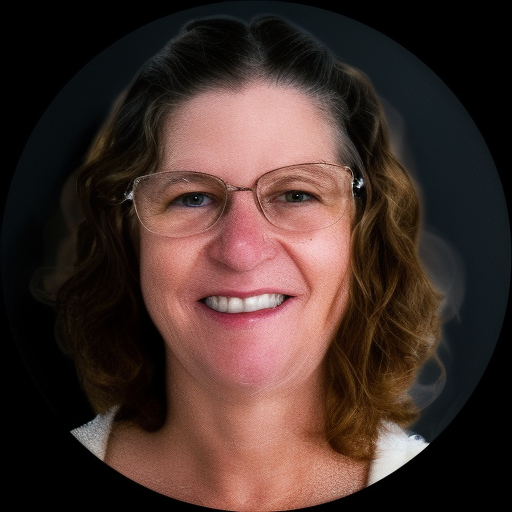
About Kandi
Kandi Willhoit is a licensed counselor (LPC-MHSP) practicing in Tennessee who helps people manage stress, anxiety, depression, and addictive behaviors. She focuses on practical steps people can use now to feel steadier and think more clearly. Kandi approaches care with compassion and attention to each person's background, including spiritual beliefs when clients want that included.
Kandi spends sessions helping people see patterns that keep them stuck. She works on clearer communication, healthier boundaries, and rebuilding self-esteem.
Background and approach
When addiction or process behaviors are involved, she helps clients identify triggers and build safer routines. Her approach blends evidence-based techniques with an emphasis on everyday skills. That can mean short exercises to ease panic, routines to reduce cravings, or ways to interrupt self-critical thoughts.
The goal is to leave sessions with tools to use between meetings. Kandi has five years of clinical experience as an LPC-MHSP. She draws on that experience to tailor care to each person's situation and goals.
People who are dealing with caregiver stress, body image concerns, attachment questions, or struggles with guilt and shame can expect straightforward support. Sessions are offered in English and may include video calls, phone sessions, live chat, or text-based messaging. The process to begin is simple: complete a brief matching questionnaire and schedule according to availability.
Evidence-based approaches and online care
Two core approaches Kandi uses come from evidence-based therapeutic techniques. One focuses on identifying unhelpful thinking and practicing small behavior changes to reduce anxiety and depressive symptoms. This approach teaches simple tools to interrupt negative thought patterns and to build routines that support mood and coping. Another approach concentrates on addiction and process behaviors by mapping triggers, creating clear safety plans, and rehearsing alternative responses. That work aims to reduce cravings and lessen the hold of repetitive behaviors.Choosing the right approach is collaborative. The therapist will talk through goals, preferences, and what has or hasn’t helped in the past. Together they will try techniques, adjust what isn’t working, and pick methods that fit the person’s life and values.
Online sessions are offered by video calls, phone sessions, live chat, or text-based messaging to increase flexibility. Video is useful for deeper conversation and visual cues, phone sessions can be easier when bandwidth is limited, live chat suits short check-ins, and messaging supports ongoing reflection between sessions. These formats make it easier to fit therapy around work, caregiving, or day-to-day life while still using evidence-based methods.
Questions people ask
What kinds of concerns does this therapist support?
How would you describe the therapy style and approach?
What background and experience does the therapist have?
What credentials and location are on record?
Which languages are sessions offered in and can international clients join?
What session formats are available for meeting with this therapist?
How does billing and cost work for sessions?
What are the first steps to begin working together?
What this therapist works with
Most often
- Stress, Anxiety
- Addictions
- Family conflicts
Also listed
- Attachment issues
- Body image
- Caregiver issues and stress
- Codependency
- Communication problems
- Dependent personality
- Depression
- Drug and alcohol addiction
- Family problems
- Forgiveness
- Guilt and shame
- Isolation / loneliness
- Life purpose
- Phobias
- Process addiction (porn, exercise, gambling)
- Self esteem
- Self-love
- Smoking / vaping cessation
- Social anxiety and phobia
- Women's issues
- Workplace issues
- Experience
- 5 years
- Licensed
- Tennessee
- Languages
- English
We will earn a commission if you sign up through our link, at no cost to you.