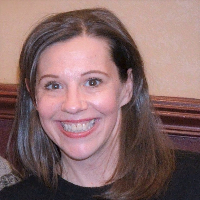
About Jonna
Jonna Phelps is a Licensed Clinical Professional Counselor (LCPC) based in Illinois. She has two decades of experience helping adults who are struggling with anxiety, stress, depression, and life transitions. Her style is straightforward and supportive, with a focus on practical skills people can use between sessions.
She received a Master of Arts in Clinical Psychology from Roosevelt University and earned her Illinois LCPC in 2001. Over 20 years she has worked with a broad range of concerns including grief, caregiver stress, chronic illness, and mood disorders.
Background and approach
She also supports those dealing with relationship strain, career questions, and the drains of compassion fatigue. In sessions she emphasizes learning coping skills and improving communication. Expect clear steps you can try right away, from thought tracking to mindfulness exercises.
She draws on approaches like client-centered work, cognitive behavioral ideas, emotionally-focused techniques, and motivational interviewing. The aim of therapy is to validate where a person is while highlighting strengths to improve daily life. Jonna helps people refocus on what matters and build routines that reduce overwhelm.
Her practical focus is useful for parents balancing responsibilities, caregivers under stress, and anyone facing big life changes. She offers sessions in English and provides video calls, phone sessions, live chat, and text-based messaging. To begin, a short matching questionnaire and scheduling step gets the process started.
Therapeutic approaches that translate to online care
Client-centered therapy focuses on the person in front of the therapist, listening closely and responding to what matters most. It helps people feel heard and build self-directed goals. Cognitive Behavioral Therapy, or CBT, looks at the link between thoughts, feelings, and actions and teaches concrete tools to reduce anxiety, manage depression, and change unhelpful patterns.Finding the right approach is a team effort. The therapist will discuss goals, try methods, and adjust techniques based on what works for the individual. That collaborative process helps match techniques like CBT or client-centered work to a person's needs and preferences.
Online sessions can be scheduled as video calls, phone sessions, live chat, or text-based messaging to make therapy more accessible. Video calls let people work face-to-face from wherever they are. Phone sessions use less bandwidth and can fit into a work break. Live chat and text messaging are useful for brief check-ins, homework support, or when writing feels easier than speaking. These options offer flexibility for those juggling caregiving, health issues, or busy schedules.
Questions people ask
What concerns does she address?
How would you describe her therapeutic style?
What is her professional background?
What credentials and location are listed?
Which languages and international options are available?
What session formats are offered?
How is cost handled?
How do I begin working with her?
What this therapist works with
Most often
Also listed
- ADHD
- Aging and geriatric issues
- Anger management
- Bipolar disorder
- Career difficulties
- Caregiver issues and stress
- Chronic pain, illness, and disability
- Communication problems
- Compassion fatigue
- Coping with life changes
- Depression
- Family conflicts
- Family problems
- Forgiveness
- Hospice and end-of-life counseling
- Isolation / loneliness
- Life purpose
- Midlife crisis
- Mood disorders
- Obsessions, compulsions, and OCD
- Parenting issues
- Relationship issues
- Seasonal Affective Disorder (SAD)
- Social anxiety and phobia
Therapeutic approaches
- Experience
- 20 years
- Licensed
- Illinois
- Languages
- English
We will earn a commission if you sign up through our link, at no cost to you.