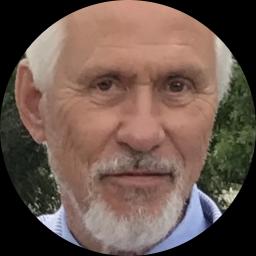
About Johnnie
Johnnie Ezell is a Licensed Professional Counselor (LPC) based in Arkansas with three decades of clinical experience. He focuses on helping people who are feeling overwhelmed by stress, anxiety, depression, grief, low self-esteem, or struggles with addictions. He speaks plainly and works with each person to find practical next steps that fit their life.
Johnnie takes a collaborative approach. He starts by listening to what matters most to the person in front of him.
Background and approach
Together they look at values, beliefs, and everyday behaviors to spot patterns that keep problems going. From there they try simple, evidence-based strategies tailored to the individual's needs. His work draws on cognitive behavioral ideas, acceptance and commitment methods, dialectical behavior tools, mindfulness practices, and solution-focused planning.
That mix is used to manage anxiety, handle cravings and addictive behaviors, and cope with mood shifts and grief. Sessions often include skills practice, perspective shifts, and short goal-setting exercises. With many years in the field, Johnnie aims for straightforward, practical help.
He treats each person as unique and avoids one-size-fits-all solutions. He values honesty and the effort it takes to ask for help. People who want clear steps and calm, steady guidance may find his style useful.
He works in English and offers online formats that can fit busy schedules and different comfort levels.
Approaches that translate well to online care
Acceptance and Commitment Therapy helps people notice what really matters to them and take small steps toward those values while accepting difficult thoughts and feelings. It is often used for ongoing anxiety, grief, and life transitions. Cognitive Behavioral Therapy focuses on changing unhelpful thought patterns and behaviors through skills and practice, which can reduce anxiety and improve mood with clear homework and short exercises. Dialectical Behavior Therapy adds skills for managing intense emotions and improving distress tolerance, useful when feelings become overwhelming.Finding the right approach is part of the work. The therapist will talk with each person about their goals and preferences, then suggest techniques to try. Sessions are collaborative so the plan can change based on what helps most in real life.
Online therapy offers flexible ways to connect using video calls, phone sessions, live chat, or text-based messaging. Video lets people see visual cues and practice skills together. Phone calls can be a good fit when bandwidth is limited or for a quieter check-in. Live chat and text messaging make it easier to fit brief check-ins into a busy day or to share thoughts between sessions. These options help people keep therapy consistent while balancing work, caregiving, or travel.
Questions people ask
What concerns does Johnnie commonly address?
What is his therapy style like?
How much experience does he bring?
What credentials and location are listed?
Which languages are sessions offered in?
What session formats are available?
How does cost and billing work?
How do I begin working with him?
What this therapist works with
Most often
Also listed
Therapeutic approaches
- Experience
- 30 years
- Licensed
- Arkansas, Missouri
- Languages
- English
We will earn a commission if you sign up through our link, at no cost to you.