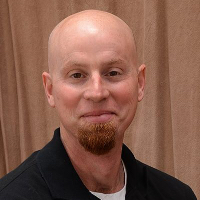
About James
James Gibb is a licensed counselor who helps people facing stress, anxiety, anger, low self-esteem, and depression. He works with adults on life changes, grief, relationship struggles, trauma, sleep problems, career concerns, and ADHD-related issues. Sessions are straightforward and focused on practical skills people can use outside therapy.
He aims to teach tools that transfer to daily life. Meetings mix conversation, mindfulness practices, and goal-focused techniques. James checks in each session to see what is working and what needs to change.
Background and approach
James draws on Acceptance and Commitment Therapy, client-centered methods, mindfulness, existential ideas, and solution-focused techniques. He uses plain language and invites clients to notice what matters to them and then test small changes. He also offers philosophical reflection when it fits a person's concerns.
He has 15 years of counseling experience and holds LCPC and LPC credentials. James is based in Illinois and works with people who prefer sessions by video, phone, live chat, or messaging. He offers a blend of short-term problem solving and deeper exploration depending on client needs.
Practical matters are discussed up front, including how sessions are scheduled and how the subscription model works. James helps people set clear, manageable goals and practices skills between sessions to build confidence and reduce day-to-day distress.
Approaches to anxiety and online care
Acceptance and Commitment Therapy (ACT) helps people notice thoughts and feelings without getting stuck, then choose actions that match their values. It can be useful for anxiety, stress, and problems where avoidance gets in the way. Client-centered therapy focuses on empathetic listening and supporting a person's own insights, which helps when someone needs a nonjudgmental space to process emotions and build self-trust.James sees the choice of approach as a team decision. He will listen to your goals and preferences, try methods that fit those aims, and adjust as you go. The process is collaborative and paced to what feels helpful rather than fixed to one style.
Online formats include video calls, phone sessions, live chat, and text-based messaging. Video lets you work face-to-face when you want real-time conversation, phone can be easier when bandwidth is limited, live chat provides a shorter check-in option, and messaging supports ongoing reflection between sessions. These options aim to make therapy more flexible and easier to fit into a busy life.
Questions people ask
What concerns does James address?
What is his approach in sessions?
How long has he been practicing?
What credentials and location are listed for him?
Are sessions offered in other languages or internationally?
Which session formats does he provide?
How does cost and billing work?
What are the first steps to begin?
What this therapist works with
Most often
- Stress, Anxiety
- Anger management
- Self esteem
Also listed
- ADHD
- Aging and geriatric issues
- Autism and Asperger Syndrome
- Avoidant personality
- Bipolar disorder
- Career difficulties
- Codependency
- Communication problems
- Compassion fatigue
- Control issues
- Coping with life changes
- Dependent personality
- Depression
- Divorce and separation
- Emptiness
- Family conflicts
- Family of origin issues
- Family problems
- Forgiveness
- Grief
- Guilt and shame
- Impulsivity
- Intimacy-related issues
- Isolation / loneliness
- LGBT
- Life purpose
- Panic disorder and panic attacks
- Parenting issues
- Post-traumatic stress
- Process addiction (porn, exercise, gambling)
- Relationship issues
- Seasonal Affective Disorder (SAD)
- Self-love
- Sleeping disorders
- Social anxiety and phobia
- Trauma and abuse
Therapeutic approaches
- Experience
- 15 years
- Licensed
- Illinois, Oregon
- Languages
- English
We will earn a commission if you sign up through our link, at no cost to you.