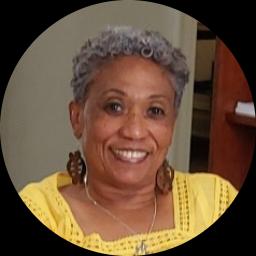
About Gwendolyn
Gwendolyn Thornton is a licensed clinical social worker with 30 years of experience based in Virginia. She focuses on stress, anxiety, self esteem, depression, coping with life changes, and coaching. Gwendolyn aims to create a respectful, compassionate space where people can take the first steps toward change.
Her approach starts with listening. She tailors conversations and a plan to each person's needs. Sessions are practical and paced to match what a person can manage right now.
Background and approach
Gwendolyn uses straightforward tools to help people reduce worry and build confidence. She draws on cognitive behavioral techniques to identify unhelpful thinking patterns and on mindfulness to help with staying present. Client-centered work keeps the sessions focused on each person’s goals and values.
Over three decades she has helped people navigate life transitions such as divorce, adoption and foster care issues, and midlife shifts. She also addresses concerns tied to abandonment, communication breakdowns, forgiveness, and life purpose. The work is collaborative and paced to fit real life.
Gwendolyn supports people through setbacks and small wins alike. Her aim is to help people feel more capable and move toward a life that feels more fulfilling.
Approaches that guide online sessions
Client-centered work means the conversation starts with your priorities and what matters most to you. The therapist follows your lead, adapts questions, and helps shape goals based on your values and strengths.Cognitive Behavioral Therapy, or CBT, looks at how thoughts, feelings, and actions connect. In online sessions this can involve identifying unhelpful thought patterns, trying small behavior changes, and tracking progress between meetings to reduce anxiety and low mood.
Mindfulness therapy teaches simple attention and breathing practices to help reduce overwhelm and improve focus. These exercises are easy to practice during short breaks and can be reviewed together in follow-up sessions.
Choosing the right approach is part of the work. The therapist will discuss options and help you decide which methods match your needs, goals, and preferences. This is a collaborative process and can change as you make progress.
Online therapy offers practical flexibility. Video calls allow face-to-face conversation when visual cues help. Phone sessions are useful when bandwidth is limited or you prefer not to be on camera. Live chat and text messaging let you check in between sessions, share quick updates, or have shorter touchpoints that fit a busy day.
Questions people ask
What concerns does she help with?
What is her therapeutic style like?
How long has she practiced?
Where is she licensed and based?
Which languages are supported?
What session formats are offered?
How are fees and billing handled?
How do I begin working with her?
What this therapist works with
Most often
Also listed
Therapeutic approaches
- Experience
- 30 years
- Licensed
- Virginia
- Languages
- English
We will earn a commission if you sign up through our link, at no cost to you.