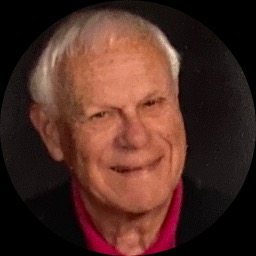
About Gabriel
Gabriel Kajeckas is a licensed clinical social worker with an MD and more than three decades of practice. He focuses on helping people who feel overwhelmed by stress and anxiety, and those coping with addictive behaviors and relationship strain. He greets clients with straightforward, calm guidance aimed at practical change.
He works directly on problems that come from family history and past hurts. Sessions often look at how early relationships shaped current patterns.
Background and approach
Gabriel helps people notice habits that keep them stuck and then try new ways of relating and coping. His approach draws on cognitive behavioral ideas to change unhelpful thoughts and behaviors. He also uses attachment-based perspectives to strengthen how people connect with others.
When addiction or motivation is central, he brings in motivational interviewing techniques to support readiness for change. Gabriel’s style is conversational and goal-focused. He helps clients set small, achievable steps and checks progress along the way.
He aims to make the work feel manageable rather than overwhelming. He practices in Virginia and communicates in English. Gabriel accepts clients from outside the United States as well.
To begin, a person completes a short matching questionnaire and schedules sessions based on availability.
Therapeutic approaches and online care
Gabriel uses cognitive behavioral therapy to help people identify unhelpful thoughts and test new behaviors. CBT is practical and often focuses on short-term strategies for managing anxiety, sleep problems, and patterns that feed addictive behavior.He also draws on attachment-based therapy to look at how early relationship patterns influence current connections. This approach helps people understand why they react a certain way in relationships and supports trying different ways of relating.
Choosing the right approach is a shared process. Gabriel will discuss goals, preferences, and past experiences to decide whether CBT, attachment work, or another method fits best. That collaborative planning happens during early sessions and can be adjusted over time.
Online formats include video calls, phone sessions, live chat, and text-based messaging. Video allows face-to-face conversation when a deeper interaction is helpful. Phone can be a useful option when bandwidth is limited or a shorter check-in is needed. Live chat and text messaging work well for brief updates, homework support, or flexible check-ins between sessions. These options make it easier to fit therapy into busy schedules and to continue care when travel or location would otherwise be a barrier.
Questions people ask
What concerns does Gabriel help with?
What is his therapy style like?
How much experience does he have?
Where is Gabriel based and what are his credentials?
In which language are sessions offered?
What session formats are available?
How does billing and cost work?
How do I get started with Gabriel?
What this therapist works with
Most often
- Stress, Anxiety
- Addictions
- Relationship issues
Also listed
- ADHD
- Cancer
- Codependency
- Compassion fatigue
- Control issues
- Dependent personality
- Divorce and separation
- Drug and alcohol addiction
- Eating disorders
- Family conflicts
- Family of origin issues
- Forgiveness
- Grief
- Guilt and shame
- Hospice and end-of-life counseling
- Impulsivity
- Life purpose
- Process addiction (porn, exercise, gambling)
- Self-love
- Sex addiction
- Sleeping disorders
- Smoking / vaping cessation
Therapeutic approaches
- Experience
- 32 years
- Licensed
- Virginia, Maryland
- Languages
- English
We will earn a commission if you sign up through our link, at no cost to you.