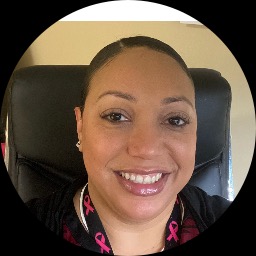
About Frantica
Frantica Hardaway is a Licensed Clinical Social Worker (LCSW) practicing in New York. She brings seven years of experience helping people manage anxiety, stress, depression, and challenges with motivation and self-esteem. Her approach is straightforward and person-focused.
She aims to make the first steps toward change feel doable. She uses simple conversation to understand what matters most to each person. Frantica listens without judgment and helps people name their immediate concerns.
Background and approach
From there she works with clients to try practical ways to feel better day to day. Sessions focus on small, manageable goals and real skills that can be used between meetings. Her work often addresses worries about work, relationships, grief, and coping with life changes.
She also supports people facing compassion fatigue, addiction issues, anger, ADHD-related struggles, and challenges tied to aging or end-of-life concerns. Cultural background and women’s issues are part of the picture she considers when planning care. Frantica draws on Client-Centered Therapy, Cognitive Behavioral Therapy, and Solution-Focused Therapy to guide sessions.
She explains techniques in plain language and tailors them to each person’s needs. The tone is collaborative: clients help set goals and choose what feels most useful. People who prefer a practical, down-to-earth approach often find her style helpful.
She encourages steady progress and celebrates small wins. Contact starts with a short matching questionnaire and a scheduled session to see if the fit feels right.
Therapeutic approaches online and how they help
Client-Centered Therapy focuses on listening and building a trusting connection so people can talk openly about their worries. It’s useful for anxiety, low motivation, and self-esteem concerns because the therapist follows the person’s lead and responds with empathy.Cognitive Behavioral Therapy, or CBT, helps identify unhelpful thoughts and habits and replace them with practical alternatives. This approach is often used for anxiety, stress, depression, and anger by teaching concrete skills to change thinking and behavior.
Solution-Focused Therapy centers on small, achievable goals and the steps that lead to them. It’s goal oriented and works well when someone wants fast, practical changes in areas like work, relationships, or coping with life transitions.
Finding the right approach is part of the work. The therapist will talk with the client about goals, preferences, and what feels helpful, then try methods together and adapt as needed. That collaborative process makes it easier to settle on techniques that actually fit the person.
Online sessions are offered as video calls, phone sessions, live chat, or text-based messaging to make therapy more flexible. Video calls let people see nonverbal cues, phone sessions use less bandwidth and can fit into a short break, and chat or messaging can be useful for quick check-ins or when typing is easier. These options help people fit therapy into busy lives and keep progress moving forward.
Questions people ask
What concerns does she address?
What is her therapeutic style like?
How much clinical experience does she have?
Where is she licensed and based?
Which languages are supported for sessions?
Can international clients work with her?
What session formats are available?
How are costs handled and how do I begin?
What this therapist works with
Most often
- Stress, Anxiety
- Addictions
- Anger management
Also listed
Therapeutic approaches
- Experience
- 7 years
- Licensed
- North Carolina, New York
- Languages
- English
We will earn a commission if you sign up through our link, at no cost to you.