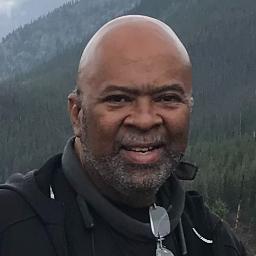
About Floyd
Floyd Smith is a licensed clinical social worker with 39 years of experience. He works with people facing trauma, anxiety, depression, and the strain of major life changes. He aims to make therapy direct and understandable for someone who is worried and unsure about next steps.
His sessions focus on hearing each person carefully. He helps people talk through painful memories, grief, and feelings of shame or guilt. He also supports those coping with low self-esteem, anger, or mood swings in ways that feel practical and manageable.
Background and approach
Floyd uses straightforward methods drawn from client-centered work and cognitive behavioral ideas. He helps clients notice unhelpful thinking, try small behavior changes, and practice new ways of relating to themselves. Trauma-focused techniques are used when past events keep disrupting daily life.
He brings attention to cultural background and the ways identity matters in healing. He pays special attention to loneliness, communication problems, and issues that affect young adults. He also works with concerns related to LGBT identity and compassion fatigue.
Sessions are paced to each person’s needs and goals. Floyd aims to build skills people can use outside sessions, like breathing, coping steps, and clearer communication. The overall goal is steadier mood, better day-to-day coping, and practical steps toward feeling more like yourself.
Approaches and online therapy options
Floyd uses client-centered therapy, which means sessions begin with listening to what matters most to the person. This approach helps people feel understood and guides the pace and focus of work together.He also uses cognitive behavioral therapy, a practical method that looks at how thoughts and behaviors affect mood. CBT helps with anxiety, depression, and unhelpful patterns by teaching ways to test thoughts and try small behavior changes.
When past events continue to cause distress, Floyd draws on trauma-focused therapy to help process painful memories and reduce their hold on daily life. That approach is aimed at easing symptoms that come from earlier hurt or abuse.
Choosing the right approach is a team effort. He will work with each person to match methods to their goals, needs, and comfort level. That collaborative process can shift over time as progress is made.
Online sessions offer flexibility through video calls, phone sessions, live chat, or text-based messaging. Video calls let people talk face to face, phone sessions can work when bandwidth is limited, live chat and messaging are useful for shorter check-ins or those who prefer typing. These options make it easier to fit therapy into busy lives and keep continuity when travel or scheduling changes occur.
Questions people ask
What concerns does Floyd commonly address?
What is his general approach in therapy?
How much clinical experience does he have?
Where is he licensed and based?
Which languages are available for sessions?
What session formats are offered?
How does billing and cost work?
What are the steps to begin working together?
What this therapist works with
Most often
- Trauma and abuse
- Grief
- Anger management
Also listed
- ADHD
- Bipolar disorder
- Communication problems
- Compassion fatigue
- Coping with life changes
- Depression
- Forgiveness
- Guilt and shame
- Intimacy-related issues
- Isolation / loneliness
- Jealousy
- LGBT
- Mood disorders
- Multicultural concerns
- Personality disorders
- Post-traumatic stress
- Relationship issues
- Self esteem
- Sexual assault and abuse
- Stress, Anxiety
- Young adult issues
Therapeutic approaches
- Experience
- 39 years
- Licensed
- Missouri
- Languages
- English
We will earn a commission if you sign up through our link, at no cost to you.