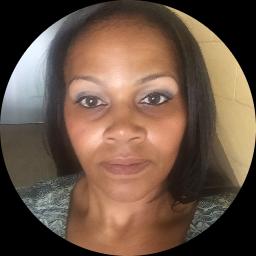
About Felice
Felice Edwards is a licensed professional counselor who focuses on stress and anxiety. She works with people dealing with addictions, low self-esteem, depression, and motivation struggles. She aims to make the first steps toward help feel manageable and respectful.
Felice has seven years of clinical experience and holds LPC and LMHC credentials for Georgia and New York. She creates a calm, nonjudgmental space where someone can talk through what feels overwhelming.
Background and approach
Her approach is direct and practical, focused on small, doable changes rather than lengthy theory. In sessions she helps people build coping skills for panic, worry, and life’s sudden shifts. She also supports those working through grief, trauma, anger, and problems with relationships and parenting.
Conversations are paced to match each person’s comfort and needs. Felice pays attention to how cultural background and discrimination can affect mental health. She also addresses issues like codependency, compulsive behaviors, and substance concerns with clear, step-oriented work.
The goal is better daily functioning and clearer choices. For anyone starting therapy, she focuses on practical planning. Together she and the client set goals and try simple strategies between sessions.
Progress is tracked in small steps so people can see real change over time.
How evidence-based approaches work online
Felice uses evidence-based therapeutic techniques that focus on practical skill building and problem solving. One common approach teaches specific coping skills for anxiety and stress, such as breathing strategies, grounding exercises, and stepwise exposure to feared situations; these tools help reduce immediate symptoms and build confidence. Another approach emphasizes short-term behavioral changes to address addictions and mood difficulties, using structured tasks and tracking to support new habits and clearer daily routines.Finding the right approach is part of the work. She will review your concerns, goals, and preferences and then choose methods that fit your situation. That plan is adjusted over time based on what helps most, making the process collaborative and flexible.
Online formats make it easier to fit therapy into a busy life. Video calls let you meet face to face from a chosen location. Phone sessions work well when bandwidth is limited or a shorter check-in is needed. Live chat and text-based messaging are useful for brief updates, homework check-ins, or when typing feels more comfortable than speaking. These options increase flexibility and help maintain continuity of care across different schedules and places.
Questions people ask
What kinds of concerns can I bring to sessions?
How does she typically work with clients?
What is her clinical background and experience?
Where is she licensed and practicing?
Which languages are supported for sessions?
What session formats are available?
How does payment and cost work?
How do I begin working with her?
What this therapist works with
Most often
Also listed
- Abandonment
- Anger management
- Antisocial personality
- Bipolar disorder
- Co-morbidity
- Codependency
- Communication problems
- Control issues
- Coping with life changes
- Depression
- Domestic violence
- Drug and alcohol addiction
- Family conflicts
- Family problems
- Forgiveness
- Grief
- Life purpose
- Multicultural concerns
- Obsessions, compulsions, and OCD
- Parenting issues
- Personality disorders
- Prejudice and discrimination
- Relationship issues
- Self-love
- Trauma and abuse
- Women's issues
- Experience
- 7 years
- Licensed
- New York, Georgia
- Languages
- English
We will earn a commission if you sign up through our link, at no cost to you.