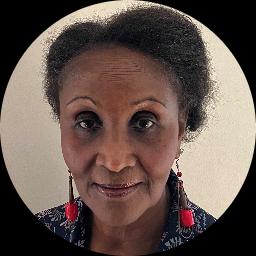
About Eunice
Dr. Eunice Ngumba-Gatabaki is a clinical psychologist based in North Carolina. She brings 22 years of experience helping people facing stress, anxiety, trauma, grief, and relationship concerns.
She works in English and also speaks Kikuyu and Swahili, which can help when cultural context matters. Her approach is practical and focused on what people need now. She meets clients where they are and builds a plan together.
Sessions aim to reduce immediate distress while teaching skills that last beyond therapy.
Background and approach
Dr. Ngumba-Gatabaki uses methods like cognitive behavioral techniques to change unhelpful thinking and behavior. She also draws on solution-focused ideas to set clear goals and motivational interviewing to support change.
Trauma-focused approaches are part of her work when past harm affects daily life. She has worked across diverse cultural settings and pays attention to how background shapes stress and recovery. That experience informs how she talks about grief, addiction, eating and sleeping concerns, and issues related to identity and intimacy.
She also has additional focus on veteran and armed forces issues. People can expect straightforward conversations and step-by-step planning. The therapist explains options and adjusts the plan as needs shift.
Taking the first step is often the hardest part, and she aims to make starting therapy feel manageable.
Therapeutic approaches you can use online
Dr. Ngumba-Gatabaki commonly uses cognitive behavioral techniques and solution-focused methods in online work. Cognitive behavioral approaches help identify and change unhelpful thoughts and behaviors that fuel anxiety and depression. Solution-focused techniques zoom in on small, practical steps and measurable goals to build momentum and solve immediate problems.She also brings motivational interviewing into sessions when people feel stuck or ambivalent about change. That approach helps clarify personal reasons for change and supports taking the next step without pressure. Together, these methods can address anxiety, stress, relationship concerns, trauma effects, and coping with major life changes.
Deciding which approach to use is a collaborative process. The therapist will listen to your goals, try a method, and adjust based on what helps most. Clients are invited to give feedback so the plan evolves to match needs and preferences.
Online therapy offers practical flexibility. Video calls let you work face-to-face for skills practice and deeper conversation. Phone sessions can be easier when bandwidth is low or for a shorter check-in. Live chat and text-based messaging allow quick check-ins, ongoing support between sessions, or a way to communicate when typing feels more comfortable. These options make it easier to fit therapy into a busy life and maintain steady progress.
Questions people ask
What concerns does she help with?
What is her therapeutic style like?
How much experience does she have?
What are her credentials and where does she practice?
Which languages are supported in sessions?
Can people outside the U.S. work with her?
What session formats are available?
How does cost and getting started work?
What this therapist works with
Most often
- Stress, Anxiety
- Relationship issues
- Trauma and abuse
Also listed
- Addictions
- ADHD
- Anger management
- Bipolar disorder
- Compassion fatigue
- Coping with life changes
- Depression
- Eating disorders
- Family conflicts
- Grief
- Intimacy-related issues
- LGBT
- Multicultural concerns
- Self esteem
- Sleeping disorders
- Veteran and Armed Forces Issues
Therapeutic approaches
- Experience
- 22 years
- Licensed
- North Carolina
- Languages
- English, Kikuyu, Swahili
We will earn a commission if you sign up through our link, at no cost to you.