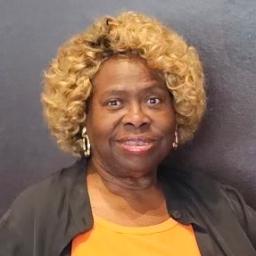
About Erma
Erma Wardley is a licensed clinical social worker in California with 22 years of experience helping people manage stress and anxiety. She offers straightforward support for depression, self-esteem struggles, panic attacks, and the fallout from trauma or abuse. Her work often focuses on practical steps people can take now to feel steadier and clearer.
She creates a welcoming space where clients can talk without judgment. Sessions are meant to be calm and direct, with attention on what matters most to the person in front of her.
Background and approach
She emphasizes listening first, then helping people figure out manageable next steps. Erma uses tools from client-centered therapy to keep conversations focused on each person’s goals. She draws on cognitive behavioral techniques to spot patterns of thinking that fuel anxiety and mood problems.
Dialectical behavior skills and mindfulness practices are used to increase emotion regulation and reduce reactivity. Her psychodynamic background helps when deeper patterns from the past affect current choices. She combines short-term problem solving with attention to longer-standing themes when that fits the client’s needs.
People who reach out can expect a practical, steady approach. Erma aims to help clients build coping skills, make clearer decisions, and feel more in control of their day-to-day life. She supports people as they work toward greater self-awareness and a firmer sense of well-being.
Therapeutic approaches you can use online
Erma uses cognitive behavioral therapy to help people notice and change unhelpful thought patterns that drive anxiety and low mood. CBT focuses on small, concrete shifts in thinking and behavior that lead to clearer emotions and better daily functioning.She also draws on dialectical behavior therapy skills to teach practical techniques for managing strong emotions and reducing impulsive reactions. DBT-style skills often include breathing and grounding practices, emotion regulation, and ways to improve day-to-day coping.
Finding the right approach is a collaborative process. The therapist will listen to your goals, try different techniques, and adjust the plan so it matches your needs and preferences. Clients often try short skill-based work first and then add deeper reflection when it helps.
Online sessions are offered as video calls, phone sessions, live chat, or text-based messaging to fit varied routines. Video lets you read facial cues and have fuller conversations, phone calls can work when bandwidth is limited, and messaging is useful for quick check-ins or daily skill practice. These options make therapy easier to fit around work, caregiving, or other commitments.
Questions people ask
What kinds of problems does this therapist help with?
What is her therapy style like?
How much experience does she have?
What are her credentials and where is she located?
Do sessions happen in languages other than English?
Which session formats are available?
How does payment and cost work?
How do I begin working with her?
What this therapist works with
Also listed
Therapeutic approaches
- Experience
- 22 years
- Licensed
- California
- Languages
- English
We will earn a commission if you sign up through our link, at no cost to you.