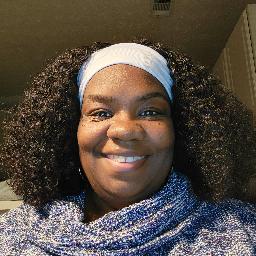
About Erika
Erika Williams-Walker is a Licensed Professional Counselor (LPC) based in Georgia with 18 years in behavioral health. She works with people facing anxiety, depression, addiction, and grief. Erika aims to make sessions feel welcoming and direct so people can start talking about what matters quickly.
She holds a Bachelor of Arts in Psychology from the University of Tennessee at Knoxville and a Master of Arts in Professional Counseling from Argosy University.
Background and approach
Her work history includes local government, nonprofit programs, and hospital settings. That range shaped a practical approach to common life struggles. Much of her experience has focused on women who have faced homelessness, addiction, childhood sexual or emotional trauma, and codependency.
She also helps people dealing with parenting challenges, relationship problems, and the stress of caregiving. Erika brings that background into each session while keeping the focus on the individual's needs. Her typical method draws from cognitive behavioral ideas but is adapted for each person.
Sessions are straightforward and collaborative. Erika listens carefully, identifies patterns that keep problems going, and helps clients try different strategies to feel better. She describes her style as welcoming, honest, and concerned.
Erika encourages people who are ready to change and offers steady support during difficult transitions. The goal is practical progress one step at a time.
How therapy approaches shape online care
Client-Centered Therapy focuses on the person's experience and values the client's own goals. The therapist listens deeply and follows the client's lead to build trust and clarity in sessions. Cognitive Behavioral Therapy (CBT) looks at patterns of thought and behavior that keep problems going and teaches practical skills to change them. CBT can help with anxiety, low mood, and coping with stressful situations. Trauma-Focused Therapy addresses the effects of past harm through careful, paced work that reduces symptoms and improves day-to-day functioning.Choosing the right approach is a collaborative process. The therapist will discuss goals, preferences, and current needs to decide what to try first. That plan can change as progress is made or new priorities appear, and the client helps shape each step.
Online formats include video calls, phone sessions, live chat, and text-based messaging to suit different routines. Video calls allow face-to-face conversation when visual cues matter. Phone sessions work well when bandwidth is limited or when a quick check-in fits a break at work. Live chat and messaging are useful for shorter support, daily check-ins, or people who prefer typing to speaking. These options make it easier to fit therapy into a busy life and keep momentum between sessions.
Questions people ask
What concerns does Erika commonly address?
What is her therapeutic style like?
How long has she worked in this field?
What credentials and location are listed?
Which languages are supported for sessions?
What session formats are available online?
How are session costs handled?
How do I begin working with her?
What this therapist works with
Most often
- Trauma and abuse
- Coaching
Also listed
- Addictions
- ADHD
- Anger management
- Bipolar disorder
- Blended family issues
- Career difficulties
- Caregiver issues and stress
- Codependency
- Commitment issues
- Communication problems
- Compassion fatigue
- Control issues
- Coping with life changes
- Depression
- Divorce and separation
- Drug and alcohol addiction
- Family conflicts
- Family of origin issues
- Family problems
- Fatherhood issues
- Forgiveness
- Grief
- Guilt and shame
- Intimacy-related issues
- Isolation / loneliness
- Life purpose
- Midlife crisis
- Mood disorders
- Parenting issues
- Relationship issues
- Self esteem
- Self-love
- Stress, Anxiety
- Women's issues
- Workplace issues
Therapeutic approaches
- Experience
- 18 years
- Licensed
- Georgia
- Languages
- English
We will earn a commission if you sign up through our link, at no cost to you.