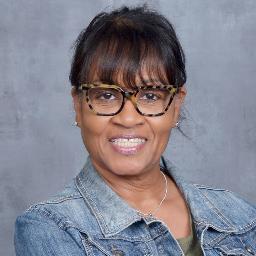
About Elizabeth
Elizabeth Sims is a licensed professional counselor with four years of clinical experience in Texas. She focuses on helping people manage stress, anxiety, depression, grief, and anger. She also supports those dealing with attention challenges, communication struggles, and relationship boundaries.
Her approach centers on practical steps. She helps people notice patterns of thinking and behavior that keep problems going. Then she works with them to try new ways of coping that feel doable in daily life.
Background and approach
Elizabeth uses strategies from cognitive behavioral therapy to identify unhelpful thoughts and test more balanced ideas. She blends mindfulness practices to help people calm intense feelings and stay present. Solution-focused techniques are used to set short-term goals and build momentum toward change.
Sessions are collaborative. She treats each person as the expert on their life and draws on their strengths to solve problems. Small, achievable goals are favored so progress feels real and steady.
Clients who reach out often want clearer communication, help with impulsivity or anger, or tools to manage grief and loss. Elizabeth aims to make therapy straightforward and practical, with steps people can use between sessions.
How online therapy uses practical methods
Elizabeth combines cognitive behavioral therapy and mindfulness to help people change unhelpful thinking and manage strong feelings. CBT focuses on spotting thought patterns that maintain anxiety or depression and trying more balanced responses. Mindfulness therapy teaches simple attention and breathing exercises to reduce reactivity and ground someone in the present. Finding the right approach is part of the work. The therapist collaborates with each person to choose techniques that match their goals and preferences. Together they test methods and adjust the plan based on what helps most in daily life. Online sessions are offered by video call, phone, live chat, or text-based messaging to make therapy easier to fit into a busy schedule. Video calls let people work face to face when longer conversations are needed. Phone sessions can be a good option when bandwidth is limited or for quicker check-ins. Live chat and text messaging support ongoing contact and brief problem-solving between longer sessions, which can help build momentum and keep skills in use.Questions people ask
What kinds of concerns does this therapist help with?
What is the therapy style like?
How much experience does the therapist have?
What credentials and location apply to this therapist?
Which languages are sessions offered in?
Are international clients accepted?
What session formats are available?
How does cost and billing work?
What this therapist works with
Most often
- Stress, Anxiety
- Grief
- Anger management
Also listed
Therapeutic approaches
- Experience
- 4 years
- Licensed
- Texas
- Languages
- English
We will earn a commission if you sign up through our link, at no cost to you.