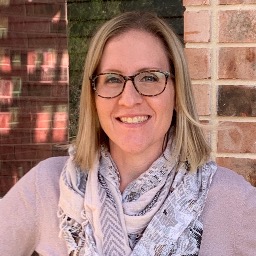
About Elizabeth
Elizabeth Schobitz is a licensed clinical social worker in Texas with 15 years of experience. She helps people manage anxiety, stress, depression, mood swings, and the fallout from trauma. Her manner is direct and compassionate, and she aims to make sessions practical and easy to follow.
She has worked in inpatient and outpatient settings, including hospitals and clinics. That experience includes supporting people after sexual assault, military veterans, and individuals facing substance use and serious mood concerns.
Background and approach
Her background informs a steady approach to crisis and ongoing challenges. Elizabeth uses a mix of strategies to fit each person. She draws on cognitive behavioral techniques to shift unhelpful thoughts and behaviors.
She also uses acceptance and commitment ideas to clarify values and build a life that matters despite difficult feelings. Solution-focused methods help set short-term goals and track progress, and trauma-focused approaches guide recovery after abuse or violence. Sessions emphasize concrete steps, practice between appointments, and building on strengths that already exist.
She invites clients to be active partners in planning care. Together they set goals, choose tools, and adjust the plan as needs change. This practical, collaborative style is meant to reduce overwhelm and support steady progress.
How her approaches translate to online care
Elizabeth combines cognitive behavioral therapy and trauma-focused therapy in straightforward ways. Cognitive behavioral therapy helps identify unhelpful thought patterns and teaches simple tools to shift behaviors and reduce anxiety. Trauma-focused therapy offers gradual, paced techniques to process difficult memories and regain a sense of safety and control.Finding the right approach is a collaborative process. She will work with each person to match methods to their goals and life situation. Together they review progress and adjust strategies so treatment stays practical and relevant.
Online sessions are offered by video, phone, live chat, and text-based messaging to increase flexibility. Video calls allow face-to-face conversation and shared exercises, phone sessions can fit into a break during the day, chat is useful for short check-ins, and messaging supports ongoing reflection between meetings. These options make it easier to keep therapy consistent around work, family, and other commitments.
Questions people ask
What kinds of concerns does she address?
How would you describe her therapy style?
What is her clinical background?
Where is she licensed and based?
Which languages are supported for sessions?
What session formats are available?
How is cost handled for therapy?
How do I begin working with her?
What this therapist works with
Also listed
- ADHD
- Anger management
- Bipolar disorder
- Career difficulties
- Compassion fatigue
- Coping with life changes
- Depression
- Family conflicts
- Grief
- Guilt and shame
- Infidelity
- Intimacy-related issues
- LGBT
- Mood disorders
- Post-traumatic stress
- Relationship issues
- Sexual assault and abuse
- Veteran and Armed Forces Issues
Therapeutic approaches
- Experience
- 15 years
- Licensed
- Texas
- Languages
- English
We will earn a commission if you sign up through our link, at no cost to you.