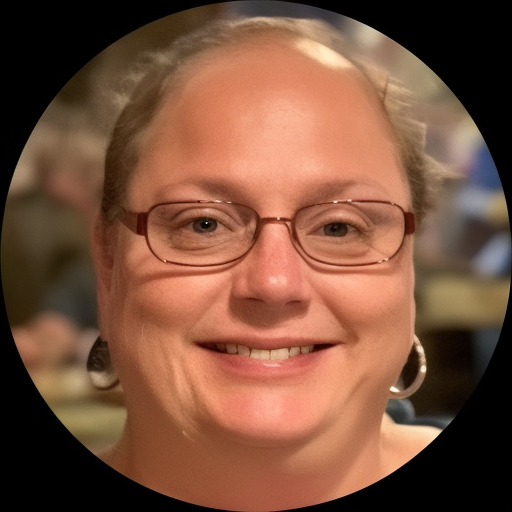
About Elizabeth
Elizabeth Feagin is a licensed clinical social worker with 13 years of practice. She works with people who are feeling overwhelmed by stress, anxiety, depression, or past trauma. She also helps those coping with drug and alcohol issues and problems that come from feeling isolated or stuck.
Before moving into independent practice Elizabeth spent many years working with veterans at the VA. That experience shaped how she listens and responds to concerns about post-traumatic stress and life purpose.
Background and approach
She uses plain language and practical steps in sessions so people know what to expect. Her approach is goal oriented and collaborative. She draws on client-centered methods to follow each person’s lead and on cognitive behavioral techniques to challenge unhelpful thinking.
Motivational interviewing is used to support change when substance use or motivation is a barrier. Sessions can focus on short-term problem solving or deeper work on mood and relationships. Elizabeth aims to help people identify small, doable steps that reduce anxiety and improve daily functioning.
She pays attention to how symptoms affect work, family roles, and overall day-to-day life. People come to Elizabeth wanting tools and clear next steps. She listens first, helps set priorities, and then supports progress with practical strategies that fit each person’s life and goals.
Approaches that guide online sessions and practical benefits
Client-centered therapy focuses on listening and following each person's priorities. It gives people room to tell their story and helps the therapist understand what matters most to them. This approach is useful when someone needs a supportive space to sort feelings and set goals.Cognitive Behavioral Therapy, or CBT, looks at how thoughts and behaviors affect mood. It teaches simple exercises to challenge negative thinking and build skills that reduce anxiety and depressive symptoms. CBT works well for stress, social anxiety, and mood challenges.
Elizabeth will work with clients to decide which approach fits best. She treats the choice as a team effort and adjusts methods based on goals and what feels most helpful. The plan can include short-term problem solving or ongoing symptom management depending on the person's needs.
Online sessions offer flexibility across several formats. Video calls are close to an in-person visit and allow face-to-face conversation. Phone sessions can be a good option when bandwidth is limited or a session needs to be shorter. Live chat and text-based messaging let people check in between sessions, share updates, or get brief support when scheduling a full session is difficult. These options make it easier to fit therapy into a busy life.
Questions people ask
What concerns does Elizabeth address?
What is her therapy style like?
How much experience does she have?
Where is she based and what is her credential?
In which language are sessions offered?
What session formats are available?
How does cost and billing work?
What do I do to begin therapy?
What this therapist works with
Most often
- Stress, Anxiety
- Addictions
- Relationship issues
Also listed
Therapeutic approaches
- Experience
- 13 years
- Licensed
- Florida
- Languages
- English
We will earn a commission if you sign up through our link, at no cost to you.