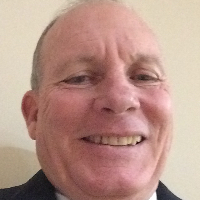
About Donald
Donald McRae is a Licensed Professional Counselor, LPC, and a Licensed Clinical Mental Health Counselor, LCMHC, based in North Carolina. He brings 25 years of experience helping people who struggle with stress, anxiety, addiction, grief, depression, and relationship concerns. He uses clear, direct conversation to help people find manageable next steps.
He prefers short, practical sessions that focus on what the person wants to change. He combines cognitive-behavioral techniques with mindfulness and acceptance-based ideas.
Background and approach
He also uses strategies from dialectical behavior therapy to help with emotion regulation and from motivational interviewing to strengthen commitment to change. Donald has worked in clinics, on military bases, and with nonprofit agencies. That range of settings shaped a pragmatic style that emphasizes skills people can use between sessions.
He has led psychotherapy groups as well as individual therapy. In sessions he listens without judgment and helps set realistic goals. He guides people through small experiments and step-by-step plans.
He also supports work on sleeping, parenting, career stress, and dealing with life transitions. People reach out to him for help with trauma-related issues, addiction recovery, anger, low self-esteem, and intimacy questions. He also offers support around caregiver stress, aging and geriatric concerns, workplace problems, and veteran-related issues.
His approach is collaborative and focused on practical change.
Approaches that translate to online care
Acceptance and Commitment Therapy, ACT, focuses on clarifying values and taking concrete action even when uncomfortable feelings remain. It can help people who feel stuck by shifting attention toward meaningful goals rather than fighting inner distress. Cognitive Behavioral Therapy, CBT, looks at thought and behavior patterns and teaches practical techniques to reduce anxiety, manage mood, and improve sleep. Dialectical Behavior Therapy, DBT, offers skills for regulating intense emotions, tolerating distress, and improving interpersonal effectiveness.Choosing the right approach is a conversation. The therapist will collaborate with each person to match methods to their goals, needs, and preferences. That process can include trying techniques from different approaches and adjusting based on what helps most.
Online sessions are offered as video calls, phone sessions, live chat, or text-based messaging to make therapy fit daily life. Video is useful for in-depth sessions and skill practice, phone calls work when bandwidth is limited, live chat can support brief check-ins, and messaging lets people share updates between scheduled meetings. These options allow flexibility for work schedules, caregiving duties, and travel while keeping ongoing progress possible.
Questions people ask
What concerns does he help with?
How would you describe his therapy style?
What is his professional background?
What credentials and location are listed?
Which languages are available for sessions?
What session formats are offered?
How does pricing work?
How do I begin therapy?
What this therapist works with
Most often
- Stress, Anxiety
- Addictions
- Relationship issues
Also listed
- ADHD
- Aging and geriatric issues
- Anger management
- Bipolar disorder
- Career difficulties
- Caregiver issues and stress
- Coaching
- Codependency
- Commitment issues
- Communication problems
- Compassion fatigue
- Control issues
- Coping with life changes
- Coping with natural or human-caused disaster
- Depression
- Family conflicts
- Forgiveness
- Grief
- Guilt and shame
- Intimacy-related issues
- Parenting issues
- Self esteem
- Sleeping disorders
- Trauma and abuse
- Veteran and Armed Forces Issues
- Workplace issues
Therapeutic approaches
- Experience
- 25 years
- Licensed
- South Carolina, North Carolina
- Languages
- English
We will earn a commission if you sign up through our link, at no cost to you.