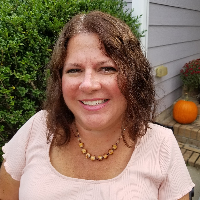
About Dina
Dina Velazquez is a Licensed Marriage and Family Therapist (LMFT) practicing from North Carolina. She brings a calm, straightforward style to sessions and focuses on anxiety alongside stress, grief, depression, and addictions. Dina also addresses relationship concerns, self-esteem, parenting challenges, and compassion fatigue.
Dina uses a client-centered approach that helps people feel heard and understood first. She blends that with practical tools from cognitive behavioral therapy to spot unhelpful thinking patterns.
Background and approach
Dialectical behavior therapy skills are used for emotional regulation and managing intense reactions. With five years of clinical experience as an LMFT, Dina has worked in community mental health and clinical assessment roles. That background shapes a flexible, solution-focused way of working that aims for doable steps people can use between sessions.
She pays attention to life stressors like caregiving, chronic illness, and recovery from substance use. Sessions aim to be collaborative. Dina helps people set clear goals, practice new skills, and track small changes over time.
She also draws on Jungian ideas and mindfulness practices when they fit a person’s needs. People meet her to cope with panic attacks, social anxiety, feelings of emptiness or isolation, and challenges tied to women’s issues or LGBT concerns. She favors straightforward conversation, concrete strategies, and steady support while people work toward better day-to-day functioning.
How therapeutic approaches translate to online care
Dina often blends client-centered work with cognitive behavioral therapy to help people identify and change unhelpful thoughts and behaviors. CBT is useful for anxiety, panic, and social phobia because it breaks problems into manageable steps and practical exercises. She also uses dialectical behavior therapy skills to teach emotional regulation and distress-tolerance techniques when emotions feel overwhelming.Choosing the right approach is a team effort. Dina will talk with each person about goals, preferences, and what feels useful in early sessions. Together they try methods, review progress, and adjust the plan so the work fits day-to-day life.
Online therapy offers flexible ways to meet. Video calls let people work face to face from different locations. Phone sessions can be easier when bandwidth is limited or when someone prefers not to be on camera. Live chat and text-based messaging are available for brief check-ins, skill practice, or when a shorter touchpoint fits a busy day. These options make it easier to keep therapy consistent while learning and using new skills.
Questions people ask
What kinds of concerns does she address?
What is her therapeutic style like?
How much clinical experience does she have?
Where is she licensed and located?
Which languages are supported for sessions?
What session formats are available?
How is cost handled for sessions?
How do I begin working with her?
What this therapist works with
Most often
Also listed
- Caregiver issues and stress
- Chronic pain, illness, and disability
- Compassion fatigue
- Coping with life changes
- Depression
- Drug and alcohol addiction
- Emptiness
- Isolation / loneliness
- LGBT
- Panic disorder and panic attacks
- Parenting issues
- Relationship issues
- Self esteem
- Social anxiety and phobia
- Trauma and abuse
- Women's issues
Therapeutic approaches
- Experience
- 5 years
- Licensed
- California, North Carolina
- Languages
- English
We will earn a commission if you sign up through our link, at no cost to you.