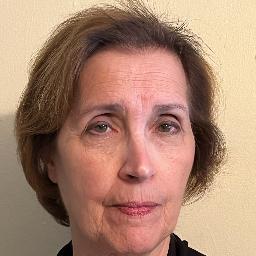
About Diane
Diane Huber is a Licensed Clinical Social Worker (LCSW) who helps people manage anxiety, stress, depression, trauma, relationship strain, grief, and parenting challenges. She brings a practical, down-to-earth manner to sessions and focuses on building a strong rapport before moving into problem solving. Diane aims to make conversations feel natural and useful from the first meetings.
She uses a mix of approaches tailored to each person’s needs. Cognitive Behavioral Therapy helps people notice and change unhelpful thoughts and behaviors.
Background and approach
Client-centered work focuses on listening and reflecting so clients feel heard and understood. Solution-focused techniques are used to set small, measurable goals and track progress. Diane has five years of professional experience working across settings.
Her background includes inpatient and residential treatment as well as outpatient services, which shapes how she plans care for practical day-to-day needs. She works with adults facing mood disorders, addiction concerns, caregiver stress, and life transitions. Sessions are collaborative and interactive.
Diane asks reflective questions and adapts the conversation to each person’s pace. She emphasizes respect, sensitivity, and clear steps people can try between sessions. People seeking help for anxiety, trauma, or parenting strain will find a therapist who balances support with concrete tools.
Diane designs treatment plans that fit each person’s goals and daily life. Her approach aims to make change feel manageable over time.
Approach-driven online therapy that fits your life
Client-centered therapy emphasizes listening and reflecting. The therapist focuses on understanding where a person is right now and responds with empathy and guided questions to help them move forward. This approach helps when someone needs validation, clearer thinking, and steady support.Cognitive Behavioral Therapy (CBT) targets the links between thoughts, feelings, and actions. Sessions using CBT help people identify unhelpful thinking patterns and try practical behavior changes that reduce anxiety and depression symptoms. It works well for stress, mood problems, and anxiety-related worries.
Finding the right approach is part of the work together. The therapist will talk with the client about goals and preferences, then test methods that match those aims. Progress is checked regularly and methods are adjusted if something isn’t helping.
Online therapy offers flexible ways to meet. Video calls are useful for face-to-face conversations and visual cues. Phone sessions need less bandwidth and can fit into a work break. Live chat or text-based messaging allow shorter check-ins and written reflections between appointments. These options make it easier to fit therapy into a busy schedule while keeping the focus on practical change and collaboration.
Questions people ask
What concerns does Diane commonly address?
How would you describe her therapeutic style?
What kind of clinical background does she have?
What credentials and region are listed for this therapist?
Which languages are available for sessions?
What session formats are offered online?
How are fees and payments handled?
What steps should I take to begin therapy?
What this therapist works with
Most often
- Trauma and abuse
- Parenting issues
- Career difficulties
Also listed
- Addictions
- Aging and geriatric issues
- Anger management
- Attachment issues
- Bipolar disorder
- Caregiver issues and stress
- Communication problems
- Coping with life changes
- Depression
- Family conflicts
- Family problems
- Grief
- Isolation / loneliness
- Mood disorders
- Post-traumatic stress
- Relationship issues
- Self esteem
- Sexual assault and abuse
- Stress, Anxiety
- Young adult issues
Therapeutic approaches
- Experience
- 5 years
- Licensed
- Pennsylvania
- Languages
- English
We will earn a commission if you sign up through our link, at no cost to you.