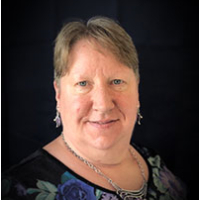
About Delsa
Dr. Delsa Johnson-Waddell greets people with a calm, practical approach to stress and anxiety. She is a licensed clinical mental health counselor, LCMHC, who aims to help people manage strong emotions and get clearer about next steps.
Her style is collaborative and accepting, with an emphasis on honesty and practical skills. Dr. Johnson-Waddell has practiced as a counselor since 2008 and also worked as a life and success coach beginning in 2002.
Background and approach
Over 13 years of clinical experience have included helping people with depression, bipolar mood concerns, anxiety, grief, anger, addictions, obsessive-compulsive behaviors, and trauma-related difficulties. She has a long-standing focus on trauma and continues learning through continuing education. In sessions she mixes conversational, client-centered work with hands-on techniques.
She uses cognitive behavioral tools to tackle unhelpful thinking and mindfulness to calm the body and mind. She also integrates EMDR and hypnotherapy when those methods fit a person’s needs. Her counseling emphasizes practical change.
People work on skills for managing strong feelings, coping with life shifts, improving relationships, and handling parenting challenges. She encourages clients to use their strengths while trying new behaviors and perspectives. Dr.
Johnson-Waddell offers sessions in English and works with people in Utah and beyond. She supports a range of concerns including LGBT issues, intimacy and relationship questions, ADHD-related challenges, and recovery from trauma or loss. The focus is on finding real, manageable steps toward a more balanced life.
Approaches for anxiety and trauma online
Dr. Johnson-Waddell uses client-centered methods that put the person’s experience first, helping people tell their story and choose goals that matter to them. This focus helps when someone needs a calm, nonjudgmental space to sort feelings and priorities.She also uses cognitive behavioral therapy (CBT) to identify and change unhelpful thought patterns. CBT sessions often include practical exercises and homework to try between meetings, which can reduce anxiety and improve mood over time. For trauma-related symptoms she integrates EMDR, a technique that works with memory processing and can be used to reduce the intensity of distressing memories when appropriate.
Finding the right approach is part of the work. The therapist will collaborate with each person to decide which methods fit their goals, needs, and comfort level. That plan can change as progress is made or new needs arise.
Online sessions are offered by video calls, phone, live chat, or text-based messaging to make therapy fit busy schedules. Video is helpful for a traditional session feel, phone can be useful when bandwidth is limited, and messaging or live chat allow shorter check-ins or ongoing support between appointments. These options make it easier to maintain continuity of care and fit therapy into daily life.
Questions people ask
What concerns does she commonly address?
How would you describe her therapeutic style?
What is her clinical background?
Where is she based and what are her credentials?
Can people who live outside the US work with her?
What session formats are available?
How is cost handled for sessions?
How do I begin working with her?
What this therapist works with
Also listed
- Addictions
- ADHD
- Anger management
- Bipolar disorder
- Coaching
- Coping with life changes
- Family conflicts
- Grief
- Intimacy-related issues
- LGBT
- Parenting issues
- Relationship issues
- Self esteem
Therapeutic approaches
- Experience
- 13 years
- Licensed
- Utah
- Languages
- English
We will earn a commission if you sign up through our link, at no cost to you.