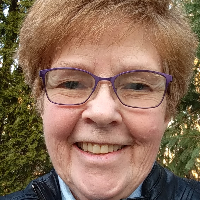
About Debra
Debra Schwarze is a licensed counselor with three decades of experience helping people manage stress and anxiety. She works with adults facing grief, depression, major life changes, and the day-to-day strain of caregiving or cancer. Her approach is practical and person-focused, aimed at making small, usable changes that fit into real life.
She draws from several methods to tailor each session to the person in front of her. Cognitive Behavioral Therapy (CBT) helps people spot and change unhelpful thinking patterns.
Background and approach
Client-centered strategies focus on listening and building trust so people feel comfortable talking about hard things. Debra also uses Eye Movement Desensitization and Reprocessing, or EMDR, and mindfulness techniques when they match someone’s goals.
Debra holds a master’s degree in counseling and a master’s in art therapy, and she maintains Illinois Licensed Clinical Professional Counselor - LCPC and Wisconsin Licensed Professional Counselor - LPC credentials. She has worked in community mental health, schools, faith-based settings, health systems, and independent practice over her career.
Sessions often include practical tools such as thought records, grounding exercises, and creative activities like art making when helpful. She encourages honest conversation and mutual responsibility for progress. The focus is on steps people can take between sessions to feel steadier and more able to manage daily demands.
People seeking help begin by describing what matters most to them. From there Debra helps set realistic goals and chooses approaches that match individual needs and preferences.
Approaches and online options for managing anxiety and change
Debra uses Cognitive Behavioral Therapy to help people identify unhelpful thoughts and test new ways of thinking and acting. CBT often includes simple exercises and homework to practice between sessions and can help with anxiety, panic, obsessions, and mood concerns.She also uses Client-Centered Therapy, which centers on listening, empathy, and building a trusting relationship so people feel heard and understood. This approach supports work on self-esteem, life purpose, relationship stress, and navigating major changes.
Choosing the right approach is a collaborative process. Debra will work with each person to weigh goals, preferences, and what has or hasn’t helped in the past. Together they decide whether CBT, client-centered work, EMDR, mindfulness, or a mix will best fit the situation.
Online sessions are offered by video call, phone, live chat, or text-based messaging to increase flexibility. Video calls allow face-to-face conversation and shared exercises, phone sessions can be easier when bandwidth is limited, and messaging or chat can work for brief check-ins or when people need support between appointments. These options make it possible to keep therapy consistent while fitting sessions around work, caregiving, or treatment schedules.
Questions people ask
What concerns does Debra commonly address?
What is her therapeutic style like?
How much experience does she bring?
What credentials and location are listed for her?
Which language is used in sessions and are international clients accepted?
What session formats are available?
How does pricing work for sessions?
What are the first steps to begin therapy?
What this therapist works with
Most often
Also listed
- ADHD
- Bipolar disorder
- Cancer
- Career difficulties
- Caregiver issues and stress
- Coaching
- Compassion fatigue
- Coping with life changes
- Divorce and separation
- Emptiness
- Family conflicts
- Forgiveness
- Hospice and end-of-life counseling
- Infidelity
- Isolation / loneliness
- Life purpose
- Mood disorders
- Obsessions, compulsions, and OCD
- Panic disorder and panic attacks
- Relationship issues
- Self esteem
- Sleeping disorders
- Trauma and abuse
- Women's issues
Therapeutic approaches
- Experience
- 30 years
- Licensed
- Illinois, Wisconsin
- Languages
- English
We will earn a commission if you sign up through our link, at no cost to you.