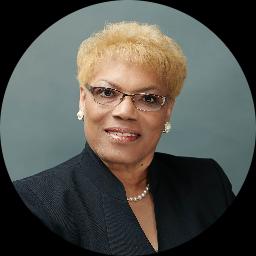
About Deborah
Dr. Deborah Mosley-Heath helps people who are dealing with stress and anxiety. She also supports those coping with relationship strain, family conflict, trauma, and grief.
Her approach is direct and compassionate, aimed at making conversations practical and easy to follow. She uses a blend of approaches to suit individual needs. That means talking through patterns that keep problems going and trying small changes that can make daily life easier.
Sessions focus on what matters most to the person in front of her, whether that is panic attacks, parenting strain, or feeling overwhelmed by caregiving duties.
Background and approach
Deborah holds an MD and practices as a Licensed Clinical Professional Counselor and Licensed Professional Counselor. She brings 25 years of professional experience to each session and draws on that background when shaping a plan with a client. She treats people with respect and listens carefully before suggesting next steps.
In the room she will help identify practical skills and the thoughts that feed distress. She also pays attention to deeper patterns that come from past experiences and relationships. Those two angles work together to reduce symptoms and improve everyday coping.
Her style is collaborative and straightforward. She tailors session pace and techniques to each person’s needs. People leave with concrete tools and a clearer sense of what to try between sessions.
How therapeutic approaches work online
Dr. Mosley-Heath uses Cognitive Behavioral Therapy to help people notice and change unhelpful thoughts and behaviors. CBT is useful for anxiety, panic attacks, and mood concerns because it focuses on practical steps and skills you can practice between sessions.She also brings a psychodynamic perspective that looks at patterns formed from past experiences and relationships. That approach helps when recurring relationship issues, attachment worries, or longstanding emotional patterns are part of the problem.
Finding the right mix of approaches is collaborative. The therapist will talk with you about goals, try techniques, and adjust the plan based on what is working. Clients and therapist decide together whether to emphasize skills-based work, deeper exploration, or both.
Online therapy makes those conversations more flexible. Video calls allow face-to-face interaction for in-depth work, phone sessions work well when bandwidth is limited, and live chat or text messaging can support short check-ins or on-the-go coping. These options help fit therapy into busy schedules and different lifestyles while keeping treatment focused on your needs.
Questions people ask
What kinds of concerns does she help with?
How would you describe her therapeutic style?
What is her clinical background and experience?
Where does she practice and what credentials are listed?
Which languages are supported for sessions?
What session formats does she offer online?
How does payment or cost work?
How do I begin working with her?
What this therapist works with
Most often
- Stress, Anxiety
- Relationship issues
- Family conflicts
Also listed
- ADHD
- Anger management
- Bipolar disorder
- Caregiver issues and stress
- Communication problems
- Compassion fatigue
- Coping with life changes
- Depression
- Forgiveness
- Grief
- Guilt and shame
- Intimacy-related issues
- LGBT
- Life purpose
- Midlife crisis
- Panic disorder and panic attacks
- Parenting issues
- Post-traumatic stress
- Pregnancy and childbirth
- Self esteem
- Self-love
- Trauma and abuse
- Women's issues
Therapeutic approaches
- Experience
- 25 years
- Licensed
- Maryland, District of Columbia, Virginia
- Languages
- English
We will earn a commission if you sign up through our link, at no cost to you.