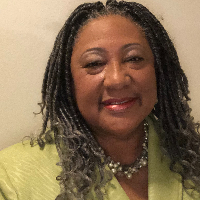
About Deborah
Deborah Bledsoe is a Licensed Professional Counselor (LPC) who helps people facing stress, anxiety, addictions, grief, and major life changes. She speaks plainly and focuses on practical steps people can use day to day. Deborah aims to make the first step easier for someone who feels overwhelmed.
She uses a mix of approaches that match what each person needs. Sessions can include listening closely to what matters most, looking at thoughts and behaviors that keep problems going, and using gentle questioning to find motivation for change.
Background and approach
Conversation can also explore past patterns that still affect current choices. Deborah brings 17 years of counseling experience in Arkansas to her work. Her background includes substance use counseling and work with people dealing with trauma, compassion fatigue, and family communication problems.
She trained at the University of Central Arkansas and continued studies in rehabilitation counseling at the University of Arkansas at Little Rock. In sessions she moves at a steady, respectful pace. She helps people set clear, achievable goals and tries methods that fit each person’s situation.
That can mean short, focused steps or deeper exploration over time. She also supports parents who are stressed by caregiving, aging and geriatric concerns, and those coping after disasters. Deborah encourages anyone ready to start to take that initial step and says she will walk alongside them through the work.
How her approaches work in online sessions
Client-Centered Therapy focuses on creating a respectful, listening space where the person sets the agenda. This approach helps when someone needs to talk through feelings and make sense of what matters most. Cognitive Behavioral Therapy, or CBT, looks at thoughts and behaviors that keep anxiety or low mood going and teaches practical techniques to change them. CBT often helps with stress, anxiety, and coping with life changes. Motivational Interviewing uses open questions and reflective listening to help people find their own reasons to change, which can be useful for addictions and making lasting behavior shifts.Picking the right approach is a collaborative process. The therapist will talk with the person about their goals, try methods that fit, and adjust based on what works. That means sessions may combine short-term tools and deeper exploration as needed.
Online therapy offers flexibility in how sessions happen. Video calls allow face-to-face conversation when visual cues matter. Phone sessions can be useful when bandwidth is low or a brief check-in fits a busy day. Live chat and text-based messaging suit people who prefer writing or need shorter, more frequent touchpoints. These options make it easier to fit therapy into work, caregiving, or travel schedules.
Questions people ask
What concerns does she help with?
What is her general therapy style?
How long has she practiced?
What are her credentials and location?
Which languages are supported?
What session formats are available?
How does pricing work?
How do I begin working with her?
What this therapist works with
Most often
- Stress, Anxiety
- Addictions
- Family conflicts
Also listed
- Abandonment
- Aging and geriatric issues
- Anger management
- Career difficulties
- Caregiver issues and stress
- Communication problems
- Compassion fatigue
- Coping with life changes
- Coping with natural or human-caused disaster
- Depression
- Grief
- Parenting issues
- Relationship issues
- Self esteem
- Trauma and abuse
Therapeutic approaches
- Experience
- 17 years
- Licensed
- Arkansas
- Languages
- English
We will earn a commission if you sign up through our link, at no cost to you.