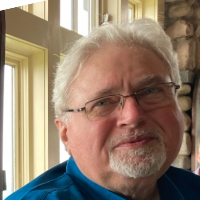
About David
David Tymchyn is a licensed clinical social worker with 22 years of experience who helps people facing stress and anxiety. He meets clients where they are and focuses on what they want to accomplish. He emphasizes respect and clear goals in each session.
He trained later in life, earning a Master of Social Work from the University at Albany with honors, and has held an NY LCSW for about two decades.
Background and approach
His career has included work across many human services settings. That variety shaped a practical approach to everyday problems. David has extensive experience supporting people struggling with substance use and related family challenges.
He also addresses grief, depression, trauma and abuse, and concerns such as eating and anger. Additional focuses include ADHD, bipolar disorder, personality disorders, HIV/AIDS, and compassion fatigue. In sessions he uses straightforward methods that help people understand how life events affect them.
He draws on client-centered work to prioritize each person’s goals and pace. Cognitive Behavioral Therapy and motivational techniques are used to build coping skills and change unhelpful patterns. People who work with him can expect collaboration, attention to practical steps, and an emphasis on building strengths.
He looks to empower clients with new understanding and tools to move forward in their lives.
How his therapeutic approaches fit online care
Client-Centered Therapy focuses on understanding each person’s goals and pace; the therapist listens, reflects, and helps shape a plan that matches what matters most. Cognitive Behavioral Therapy (CBT) looks at how thoughts and actions affect feelings and teaches practical steps to change patterns that increase anxiety or depression. Motivational Interviewing helps people find their own reasons for change and build motivation one step at a time.Choosing the right approach is part of the work. He collaborates with clients to decide which methods fit their needs and preferences. That means testing strategies, adjusting as needed, and tracking progress together so the plan stays useful and relevant.
Online sessions are offered by video calls, phone sessions, live chat, or text-based messaging to make therapy flexible. Video works well when visual interaction helps the process. Phone sessions can be easier when bandwidth is limited or a shorter check-in is needed. Live chat and text messaging let people keep momentum between sessions and fit support into a busy day. These options help people access therapy from different locations and at varied times while still using goal-focused approaches.
Questions people ask
What concerns does he commonly address?
What is his therapy style like?
What background does he bring to sessions?
What are his credentials and location?
Which languages are supported and can he work internationally?
What session formats does he offer?
How does pricing work?
How do I begin working with him?
What this therapist works with
Also listed
- ADHD
- Anger management
- Bipolar disorder
- Compassion fatigue
- Coping with life changes
- Depression
- Eating disorders
- Family conflicts
- Grief
- HIV / AIDS
- LGBT
- Parenting issues
- Personality disorders
- Relationship issues
- Self esteem
Therapeutic approaches
- Experience
- 22 years
- Licensed
- New York
- Languages
- English
We will earn a commission if you sign up through our link, at no cost to you.