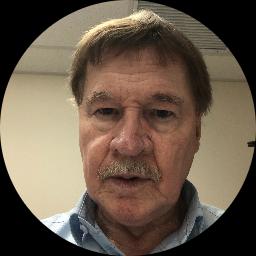
About David
Dr. David Roy helps people who are feeling overwhelmed by stress, anxiety, or big life changes. He writes in a straightforward way and focuses on practical steps you can use right away.
He encourages people to build on their strengths and to take small, manageable steps toward feeling better. With 40 years of experience as a licensed clinical social worker - LCSW - in California, he has worked across many settings and with a wide range of concerns.
Background and approach
That background informs a calm, steady approach aimed at reducing anxiety, managing anger, and improving self-esteem. He also supports people facing grief, addiction, and adjustment difficulties. Dr.
Roy frames sessions around each person’s goals. He listens first, then helps identify patterns that keep problems going. Sessions often focus on skills you can practice between meetings, such as stress management, grounding techniques for panic, and ways to handle difficult emotions.
He also brings experience helping people with trauma and abuse, post-traumatic stress, and challenges common to first responders and veterans. For older adults he can address aging and end-of-life concerns, hospice matters, and the isolation that sometimes comes with later life. People who prefer flexible formats can connect by video, phone, live chat, or text messaging.
To begin, a short matching questionnaire is used and scheduling is arranged based on therapist availability.
Practical approaches for online anxiety and stress care
Dr. Roy uses evidence-based therapeutic techniques that focus on clear skills and real-world practice. One approach helps people recognize unhelpful thought and behavior patterns and replace them with more helpful responses; this can reduce anxious thinking and improve mood. Another approach emphasizes grounding and emotion-regulation skills to manage panic, intense anger, or overwhelming stress in the moment.Finding the right approach is part of the work together. He treats the choice as collaborative, discussing current needs, personal goals, and what a person prefers. Together they try methods and adapt them so the work fits daily life and feels useful rather than academic.
Online sessions are offered by video, phone, live chat, or text-based messaging to make therapy more flexible. Video calls let people use visual cues and a fuller conversation. Phone sessions can fit a busy schedule or be simpler when bandwidth is limited. Live chat and text messaging are useful for shorter check-ins, skill coaching between sessions, or when writing feels easier than speaking. These options help people keep continuity in care and fit sessions into work, family, and travel routines.
Questions people ask
What kinds of concerns does he help with?
How would you describe his therapy style?
What is his professional background?
Where is he licensed and based?
Which languages are supported for sessions?
What session formats are available?
How are sessions paid for and what do they cost?
How do I begin working with him?
What this therapist works with
Most often
- Stress, Anxiety
- Trauma and abuse
- Anger management
Also listed
- Addictions
- ADHD
- Aging and geriatric issues
- Coaching
- Communication problems
- Control issues
- Coping with life changes
- Depression
- Disruptive Mood Dysregulation Disorder (DMDD)
- Domestic violence
- First responder issues
- Forgiveness
- Grief
- Guilt and shame
- Hospice and end-of-life counseling
- Isolation / loneliness
- Midlife crisis
- Panic disorder and panic attacks
- Post-traumatic stress
- Seasonal Affective Disorder (SAD)
- Self esteem
- Social anxiety and phobia
- Veteran and Armed Forces Issues
- Experience
- 40 years
- Licensed
- California
- Languages
- English
We will earn a commission if you sign up through our link, at no cost to you.