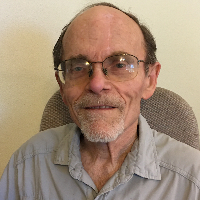
About David
David Lambert is a licensed clinical social worker who helps people manage stress, anxiety, depression, grief, and relationship strain. He brings 40 years of professional experience to sessions and focuses on practical tools that can be used between meetings. He works in a straightforward, respectful way and treats each person as the expert on their own life.
Sessions often begin by identifying immediate problems and simple steps people can try right away.
Background and approach
The aim is steady, realistic progress rather than quick fixes. David draws on client-centered methods that prioritize listening and empathy. He also uses cognitive behavioral steps to spot unhelpful thinking and mindfulness practices to reduce reactivity.
Motivational interviewing and solution-focused techniques help clarify goals and keep work action-oriented. He has a long history in community mental health and has supported people facing a wide range of concerns, from mood disorders and trauma to addiction and caregiver stress. That background shapes an approach that mixes practical strategies with steady emotional support.
People can expect a calm, patient presence and clear suggestions for homework or practice between sessions. David encourages regular participation to build momentum toward the client’s goals. Sessions are offered in English and are provided through online formats including video, phone, live chat, and text messaging.
His Washington licensure is LICSW.
How his approaches translate to online therapy
David uses client-centered therapy, which focuses on listening and building a trusting working relationship. That approach helps people feel heard and shapes sessions around their priorities and values.He also incorporates cognitive behavioral therapy, a practical method that identifies unhelpful thoughts and tests new behaviors. CBT is often used for anxiety, depression, sleep problems, and many stress-related concerns because it provides clear steps people can practice between meetings.
Finding the right mix of approaches is part of the work. He collaborates with each person to choose methods that match goals, comfort level, and daily life. Clients and the therapist regularly check how well a strategy is working and adjust as needed.
Online formats include video calls, phone sessions, live chat, and text-based messaging. Video is useful for face-to-face conversation and visual cues. Phone sessions can fit a shorter break or low bandwidth situations. Live chat and text messaging allow quick check-ins, session notes, or ongoing support between longer sessions. These options make it easier to keep therapy consistent around work, caregiving, or other commitments.
Questions people ask
What concerns does David help with?
What is his therapeutic style like?
How much experience does he have working in mental health?
What credentials and location are listed?
Which languages are supported and are international clients accepted?
What session formats are available?
How does payment and cost work?
How do I begin working with him?
What this therapist works with
Most often
Also listed
- Addictions
- ADHD
- Aging and geriatric issues
- Anger management
- Bipolar disorder
- Career difficulties
- Caregiver issues and stress
- Codependency
- Communication problems
- Compassion fatigue
- Coping with life changes
- Depression
- Divorce and separation
- Emptiness
- Family conflicts
- Family of origin issues
- Fatherhood issues
- First responder issues
- Forgiveness
- Guilt and shame
- Hearing impaired
- Impulsivity
- Intimacy-related issues
- Isolation / loneliness
- Life purpose
- Men's issues
- Midlife crisis
- Mood disorders
- Paranoia
- Parenting issues
- Post-traumatic stress
- Relationship issues
- Self-harm
- Sleeping disorders
- Trauma and abuse
Therapeutic approaches
- Experience
- 40 years
- Licensed
- Washington
- Languages
- English
We will earn a commission if you sign up through our link, at no cost to you.