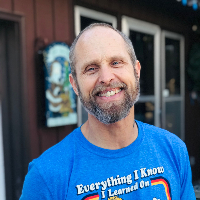
About David
David Krych is a Licensed Clinical Social Worker who helps people manage anxiety, stress, addiction, and life transitions. He speaks plainly and listens first to understand each person's goals and struggles. His approach centers on practical steps and compassionate conversation aimed at steady progress.
He brings 19 years of clinical experience and a long personal journey in recovery to his work. That background shaped how he thinks about addiction, relapse, and rebuilding a meaningful life.
Background and approach
He focuses on using clients' existing strengths to move toward clearer direction and healthier habits. Sessions are conversational and goal-focused. He spends time getting to know what matters most to each person and then helps identify small, doable changes.
Techniques may include examining thought patterns, practicing new ways of relating, and building motivation for change. David often helps people facing relationship strain, parenting stress, grief, or challenges with mood and behavior. He also works with issues like body image, codependency, and feelings of emptiness.
He aims to create a steady, nonjudgmental space where people can test new ideas and strategies. He practices from Wisconsin and offers services that can fit different schedules. People looking for help can expect straightforward talk, practical tools, and support toward greater self-acceptance and life purpose.
How his approaches translate to online care
Client-Centered Therapy focuses on listening and following each person's lead. It helps when someone needs a calm space to talk, clarify goals, and feel understood. Cognitive Behavioral Therapy, or CBT, looks at patterns of thinking and behavior and helps people try specific changes that reduce anxiety and improve mood. Emotionally-Focused Therapy, or EFT, concentrates on how emotions show up in relationships and helps people learn new ways to connect and respond to each other.Finding the right approach is part of the work. He will discuss options and try methods that fit a person's needs, goals, and preferences. The process is collaborative and open to adjustment as progress is made.
Online formats include video calls, phone sessions, live chat, and text-based messaging. Video is useful for deeper conversations and real-time interaction. Phone sessions can be a good option when video bandwidth is limited or when someone prefers not to be on camera. Live chat and text messaging are practical for brief check-ins, homework support, or scheduling flexibility. These options make it easier to fit therapy into busy lives and to keep regular contact during periods of change.
Questions people ask
What kinds of concerns does he help with?
What is his therapeutic style like?
How long has he worked in this field?
Where is his practice based and what credential does he hold?
Which languages are sessions offered in?
What formats are available for sessions?
How are costs handled for sessions?
How do I begin working with him?
What this therapist works with
Also listed
- Abandonment
- Anger management
- Bipolar disorder
- Body image
- Caregiver issues and stress
- Co-morbidity
- Coaching
- Codependency
- Communication problems
- Compassion fatigue
- Coping with life changes
- Depression
- Drug and alcohol addiction
- Eating disorders
- Emptiness
- Family conflicts
- Family of origin issues
- Family problems
- Fatherhood issues
- Forgiveness
- Grief
- Guilt and shame
- Isolation / loneliness
- Life purpose
- Men's issues
- Midlife crisis
- Parenting issues
- Relationship issues
- Seasonal Affective Disorder (SAD)
- Self-love
- Social anxiety and phobia
- Trauma and abuse
- Workplace issues
Therapeutic approaches
- Experience
- 19 years
- Licensed
- Wisconsin
- Languages
- English
We will earn a commission if you sign up through our link, at no cost to you.