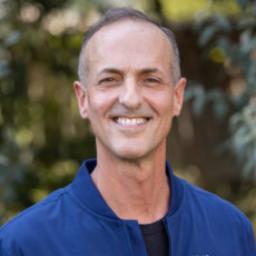
About Daniel
Dr. Daniel Raker is a clinical psychologist based in Colorado with ten years of experience in mental health care. He leads Western Slope Psychological Services and hosts the Peace, Love, & Psychology podcast.
He has spent his career helping people make sense of stress, anxiety, trauma, grief, and life transitions. Dr. Raker focuses on clear explanations and practical steps so people can use what they learn right away.
He has worked in community colleges, mental health clinics, and clinics for patients with chronic pain and illness.
Background and approach
That range means he has experience with everyday worries and with problems that come after difficult events. He has also done program work for Veterans, disabled students, and LGBTQ students while supervising and training interns. In sessions he uses a client-centered style that emphasizes respect and the person’s own goals.
He combines that with approaches drawn from cognitive-behavioral and mindfulness work to help change unhelpful thoughts and build coping skills. He also uses trauma-focused methods for people who have been through tough experiences. People who come to him often want straightforward guidance and tools they can try between sessions.
He works to make therapy practical and focused on measurable steps. His aim is to help people manage symptoms, rebuild confidence, and move toward the life they want. Dr.
Raker holds psychologist credentials in Colorado and New Mexico. Sessions are offered in English and are available in several online formats to fit different schedules.
Approaches that translate well to online therapy
Client-centered therapy focuses on listening, respect, and helping people set their own goals. It creates a space where you can talk through problems and decide what you want to work toward. Cognitive-behavioral therapy (CBT) looks at thought and behavior patterns and teaches concrete skills to reduce anxiety and manage mood. EMDR is a trauma-focused method used to process distressing memories and reduce their emotional impact.Finding the right approach is part of the work. The therapist will talk with you about your needs, goals, and preferences and recommend ways to proceed. That discussion is collaborative and can shift as progress is made or needs change.
Online sessions are offered by video calls, phone sessions, live chat, or text-based messaging. Video lets you use visual cues and practice skills in real time. Phone sessions can be simpler when bandwidth is limited. Live chat and text messaging can work for brief check-ins, coaching-style guidance, or when written reflection feels easier. These options make it easier to fit therapy into a busy life and to continue work between sessions.
Questions people ask
What concerns does this therapist help with?
What is his therapeutic style and approach?
How much clinical experience does he have?
Where is he licensed and located?
Which languages are supported and can international clients join?
What session formats are available?
How is cost handled for sessions?
How do I begin therapy with him?
What this therapist works with
Most often
Also listed
- Aging and geriatric issues
- Bipolar disorder
- Career difficulties
- Chronic pain, illness, and disability
- Coaching
- Communication problems
- Compassion fatigue
- Coping with life changes
- Depression
- First responder issues
- Forgiveness
- Guilt and shame
- Intimacy-related issues
- Men's issues
- Midlife crisis
- Panic disorder and panic attacks
- Post-traumatic stress
- Relationship issues
- Self esteem
- Veteran and Armed Forces Issues
Therapeutic approaches
- Experience
- 10 years
- Licensed
- Colorado, New Mexico
- Languages
- English
We will earn a commission if you sign up through our link, at no cost to you.