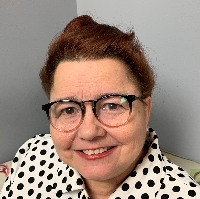
About Cynthia
Cynthia Wadsworth is a licensed clinical social worker with 30 years of experience. She begins by listening to each person's story and helps them decide what they want to change. Cynthia focuses on practical goals and on the strengths a person already has.
Her work often starts with small steps to ease the distress that brought someone to therapy. She uses a client-centered way of working, which means sessions are shaped around the person's needs and pace.
Background and approach
Cynthia combines several approaches to match what each person needs. She has long experience supporting people with anxiety, depression, grief, trauma, and other common concerns. That includes trouble sleeping, panic attacks, parenting stress, relationship and intimacy issues, and career worries.
She also helps people facing complex situations like adoption and foster care, fertility questions, chronic illness, and mood disorders. Cynthia draws on attachment-based ideas to notice patterns in close relationships. She also uses mindfulness and psychodynamic ideas to help people understand feelings and habits that repeat.
Eye Movement Desensitization and Reprocessing, or EMDR, is among the approaches she may integrate when trauma is part of the story. Sessions are collaborative and goal-focused. Cynthia helps set concrete steps and checks in regularly to see what is working.
Her aim is to help people move toward a different, more manageable daily life.
How Cynthia blends approaches for online care
Attachment-based work looks at repeating patterns in close relationships and helps people notice how past bonds shape present reactions; it is often useful for relationship strain, attachment issues, and family of origin concerns. Client-centered therapy focuses on following the person’s lead and building on strengths, which helps when someone wants practical, person-driven change. Eye Movement Desensitization and Reprocessing, or EMDR, is an approach used to reduce the intensity of traumatic memories and related distress when trauma is part of someone's history.Picking the right approach is a team effort. Cynthia will listen to your story and discuss options, then try methods that fit your goals and comfort level. She checks progress and adjusts the plan as you go so the work stays relevant and doable.
Online sessions can make therapy easier to fit into life. Video calls work well for face-to-face conversation; phone sessions can be simpler when bandwidth is limited; live chat and text messaging offer short check-ins or ongoing support between meetings. These formats provide flexibility for scheduling, quieter sessions when needed, and ways to stay connected without travel.
Questions people ask
What kinds of problems does Cynthia address?
How would you describe her way of working?
How much clinical experience does she have?
What are her credentials and where is she based?
Which languages are used in sessions?
What session formats does she offer online?
How is payment handled and what does it cost?
How do I get started working with her?
What this therapist works with
Most often
Also listed
- ADHD
- Adoption and foster care
- Anger management
- Attachment issues
- BDSM, kink, and alternative sex culture
- Bipolar disorder
- Career difficulties
- Chronic pain, illness, and disability
- Coaching
- Compassion fatigue
- Coping with life changes
- Coping with natural or human-caused disaster
- Depression
- Family conflicts
- Family of origin issues
- Fertility issues
- Gender dysphoria
- HIV / AIDS
- Intimacy-related issues
- Isolation / loneliness
- LGBT
- Mood disorders
- Panic disorder and panic attacks
- Parenting issues
- Polyamory / non-monogamous relationships
- Postpartum depression
- Relationship issues
- Seasonal Affective Disorder (SAD)
- Self esteem
- Sexual assault and abuse
- Sleeping disorders
Therapeutic approaches
- Experience
- 30 years
- Licensed
- Illinois, Louisiana
- Languages
- English
We will earn a commission if you sign up through our link, at no cost to you.