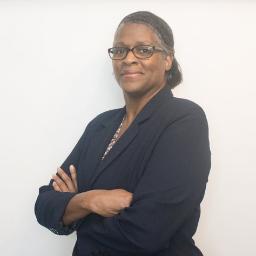
About Cynthia
Cynthia Moore is a Licensed Professional Counselor (LPC) and a Licensed Mental Health Counselor (LMHC) with 24 years of experience. She practices in Texas and has worked across inpatient, residential, partial hospitalization, intensive outpatient, and outpatient settings. Cynthia focuses on helping people manage anxiety, stress, depression, and relationship struggles through practical, goal-directed work.
She uses straightforward talk and clear steps in sessions. Cynthia listens first, then helps people pick small, workable changes.
Background and approach
Her style aims to make progress feel doable instead of overwhelming. Her background includes running outpatient clinics and supporting people with addictions, trauma, grief, and anger. She has helped clients facing career shifts, parenting stress, and problems with self-esteem or codependency.
Those experiences shape how she plans each session. Cynthia draws on client-centered methods to keep the person’s goals central. She also uses techniques from cognitive behavioral therapy to challenge unhelpful thoughts.
Dialectical behavior therapy skills are used when strong emotions or intense reactions get in the way. Sessions are practical and collaborative. Cynthia helps set concrete goals and tracks small wins.
She also incorporates clients’ personal values, including spiritual beliefs when relevant, as part of the healing process.
Therapeutic approaches and online care
Client-centered therapy keeps the person's goals at the heart of sessions. It involves listening closely and shaping each session around what matters most to the individual, which can help with relationship concerns, grief, and feelings of emptiness.Cognitive behavioral therapy (CBT) focuses on spotting unhelpful thoughts and testing them with real-life actions. It is useful for anxiety, depression, stress, and some patterns related to addictions or low self-esteem.
Dialectical behavior therapy (DBT) offers practical skills for managing intense emotions and improving emotional regulation. It can help when anger, impulsive behavior, or heavy mood swings get in the way of daily life.
Choosing the right approach is a collaborative process. The therapist will talk with each person about their goals and preferences, try methods that fit, and adjust the plan over time. That way the work matches what a person actually needs.
Online therapy makes sessions flexible and easier to fit into busy lives. Video calls allow face-to-face conversation from different locations. Phone sessions use less bandwidth and can be a quick check-in during a break. Live chat and text-based messaging let people share thoughts between sessions or use shorter check-ins when that format feels better. Licensed professionals can combine these formats to match scheduling, comfort, and the type of work being done.
Questions people ask
What concerns does she address?
How would you describe her therapy style?
What is her clinical background?
What credentials and location are listed?
Which languages are supported and what about international clients?
What session formats are available?
How does cost and billing work?
How do I begin working with her?
What this therapist works with
Most often
- Relationship issues
- Anger management
- Self esteem
Also listed
- Abandonment
- Addictions
- Bipolar disorder
- Career difficulties
- Codependency
- Commitment issues
- Communication problems
- Control issues
- Coping with life changes
- Dependent personality
- Depression
- Disruptive Mood Dysregulation Disorder (DMDD)
- Emptiness
- Family of origin issues
- Family problems
- Forgiveness
- Grief
- Guilt and shame
- Infidelity
- Isolation / loneliness
- Jealousy
- Life purpose
- Multicultural concerns
- Parenting issues
- Self-love
- Social anxiety and phobia
- Stress, Anxiety
- Trauma and abuse
- Women's issues
- Young adult issues
Therapeutic approaches
- Experience
- 24 years
- Licensed
- Texas, Washington
- Languages
- English
We will earn a commission if you sign up through our link, at no cost to you.