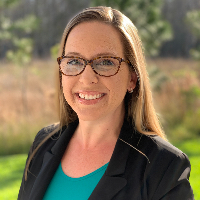
About Crystal
Crystal Willson is a Licensed Mental Health Counselor (LMHC) based in Florida. She helps people who are dealing with stress, anxiety, mood shifts, substance use concerns, grief, and challenges with self-esteem. Her style is warm and interactive and she focuses on practical steps that make day-to-day life easier.
She has worked in mental health and substance use settings since 2006. Crystal earned a Bachelor of Psychology from the University of South Florida and a Master of Science from Troy University.
Background and approach
She became a Certified Addiction Professional in 2011 and received her Florida LMHC in 2015. Her approach blends client-centered listening with cognitive-behavioral techniques and motivational interviewing. She uses these tools to help people notice patterns, try small experiments, and build skills for managing panic, depression, or cravings.
Sessions aim to be collaborative and goal-focused rather than long lectures. Crystal also integrates Dialectical Behavior Therapy and solution-focused strategies when helpful. That means she can teach concrete coping skills for intense feelings and help clients plan practical next steps.
Many clients come for help with trauma recovery, relationship communication, caregiver stress, or life transitions. She works in a supportive manner and avoids stigmatizing labels. Crystal tailors each plan to the person in front of her, matching techniques to what the client says they need.
If someone wants straightforward, skills-based help with anxiety or addiction-related worries, she offers a direct, compassionate approach.
How her approaches translate to online therapy
Client-Centered Therapy focuses on listening and understanding the person's perspective. Online, that means sessions start with the therapist asking about current struggles and priorities, and then reflecting back what she hears to help people clarify goals. Cognitive Behavioral Therapy, or CBT, looks at how thoughts and behaviors affect feelings. In remote sessions, she helps clients identify unhelpful thoughts, set small experiments to try between meetings, and build practical routines to reduce anxiety symptoms.Finding the right approach is part of the work. The therapist will talk with each person about their goals and preferences and together decide which methods to try first. That collaborative process makes it easier to adjust strategies if something isn’t working or if priorities change over time.
Online formats available include video calls, phone sessions, live chat, and text-based messaging. Video calls allow face-to-face conversation and screen-sharing for worksheets. Phone sessions can be a good option when bandwidth is limited or when a quieter audio check-in is preferred. Live chat and text messaging suit brief check-ins, homework support, or people who prefer typed conversation. These options offer flexibility to fit therapy into busy lives while using the clinician’s chosen approaches.
Questions people ask
What concerns does she help with?
What is her therapeutic style?
How much experience does she have?
What credentials and region does she hold?
Which languages are supported?
What session formats are available?
How does payment and cost work?
How do I begin working with her?
What this therapist works with
Most often
Also listed
- ADHD
- Anger management
- Bipolar disorder
- Career difficulties
- Caregiver issues and stress
- Coaching
- Codependency
- Communication problems
- Compassion fatigue
- Coping with life changes
- Coping with natural or human-caused disaster
- Depression
- Divorce and separation
- Drug and alcohol addiction
- Family conflicts
- Grief
- Guilt and shame
- Impulsivity
- Life purpose
- Mood disorders
- Panic disorder and panic attacks
- Post-traumatic stress
- Relationship issues
- Seasonal Affective Disorder (SAD)
- Trauma and abuse
Therapeutic approaches
- Experience
- 13 years
- Licensed
- Florida
- Languages
- English
We will earn a commission if you sign up through our link, at no cost to you.