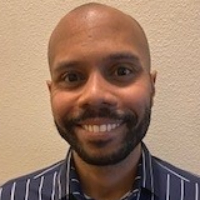
About Christopher
Christopher Harper is a Licensed Professional Counselor (LPC) based in Texas with nine years of clinical experience. He focuses on helping people manage stress, anxiety, depression, and life transitions. He aims to create a calm, affirming space where clients can talk honestly about what feels hard right now.
Christopher often works with people wrestling with identity, self-worth, and relationships. He supports individuals facing LGBTQ concerns, multicultural stress, and men's mental health topics.
Background and approach
He also helps with issues like addiction, grief, trauma, and bipolar mood challenges. In sessions he uses clear, practical approaches to build coping skills and improve communication. He draws on Cognitive Behavioral Therapy to spot unhelpful thinking patterns and on Solution-Focused techniques to set achievable steps.
Motivational Interviewing helps when someone feels stuck or unsure about change. His style is collaborative and straightforward. He asks questions, listens carefully, and offers tools clients can try between sessions.
The goal is steady progress rather than quick fixes, so work moves at a pace that feels manageable. People who benefit often want concrete ways to reduce anxiety, handle work or relationship stress, or rebuild confidence after a difficult period. Christopher helps clients clarify what matters most and take small, practical steps toward those goals.
How his approaches translate to online therapy
Christopher commonly uses Cognitive Behavioral Therapy to help people notice thoughts that fuel anxiety or low mood and to practice steps that change those patterns. This approach is helpful for stress, anxiety, depression, and many everyday worries.He also uses Motivational Interviewing to help clients who feel stuck or ambivalent about change. That method focuses on the client’s own reasons for change and builds motivation one step at a time. Solution-Focused Therapy is used to set short-term, achievable goals and to identify practical next steps that move a person forward.
Finding the right approach is part of the work together. He will listen to a client’s goals, try different techniques, and adjust based on what helps most. Clients and the therapist decide collaboratively which methods best fit the situation.
Online formats include video calls, phone sessions, live chat, and text-based messaging. Video calls allow face-to-face conversation and visual cues. Phone sessions are useful when bandwidth is low or when a quieter check-in is needed. Live chat and messaging can fit busy schedules and let clients share brief thoughts between sessions. These options make it easier to keep therapy consistent while fitting it into day-to-day life.
Questions people ask
What concerns does this therapist address?
What is his overall approach in therapy?
How long has he been practicing?
Where is he based and what credentials does he hold?
Which languages are supported for sessions?
What session formats are available?
How is cost handled for sessions?
How do I begin working with him?
What this therapist works with
Most often
Also listed
- Addictions
- ADHD
- Anger management
- Bipolar disorder
- Career difficulties
- Codependency
- Commitment issues
- Communication problems
- Control issues
- Coping with life changes
- Depression
- Emptiness
- Family conflicts
- Family problems
- Forgiveness
- Grief
- Guilt and shame
- Intimacy-related issues
- Isolation / loneliness
- Jealousy
- Life purpose
- Men's issues
- Multicultural concerns
- Prejudice and discrimination
- Self-love
- Social anxiety and phobia
- Trauma and abuse
- Workplace issues
- Young adult issues
Therapeutic approaches
- Experience
- 9 years
- Licensed
- Texas
- Languages
- English
We will earn a commission if you sign up through our link, at no cost to you.