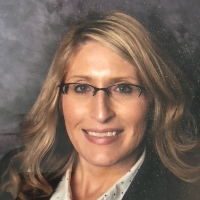
About Christina
Christina Rolerson is a Licensed Clinical Social Worker with eleven years of clinical experience in Texas. She has supported people through major life shifts and hard moments, including depression, anxiety, grief, parenting worries, and relationship strain. Christina draws on a strengths-based, client-centered way of working and values compassion and empathy in sessions.
Her background includes long-term work with people who have experienced abuse and trauma, and she has helped others manage symptoms related to OCD and ADHD.
Background and approach
She uses a mix of approaches to fit each person’s situation rather than a one-size-fits-all model. Sessions focus on practical steps and small changes that add up over time. Christina describes her style as collaborative.
She listens for what is already working, and then helps build on those strengths. Together with each person she creates a step-by-step plan to move toward clearer goals and better day-to-day coping. Her toolkit includes cognitive behavioral methods to reframe unhelpful thoughts, acceptance and commitment ideas to clarify values, and skills from dialectical behavior therapy for emotion management.
Attachment-informed techniques help address relational patterns that cause distress. People who prefer a calm, empathic approach and want practical strategies may find her style helpful. Christina aims to make progress feel manageable and to help people recover a sense of agency during change.
Therapeutic approaches and online support
Acceptance and Commitment Therapy, or ACT, encourages people to notice difficult thoughts and feelings while choosing actions that match their values. It can help when anxiety or worry keeps someone from living the life they want. Cognitive Behavioral Therapy, or CBT, focuses on identifying and testing unhelpful thoughts and learning practical skills to change behaviors and mood. It is often used for anxiety, depression, and stress. Attachment-Based Therapy looks at how early relationship patterns show up now and helps people build healthier ways of connecting and relating.Finding the right approach is a team effort. Christina will work collaboratively to figure out which methods fit a person’s goals, needs, and preferences. She often blends approaches so sessions address both immediate coping skills and longer-term patterns that cause distress.
Online therapy options include video calls, phone sessions, live chat, and text-based messaging. Video calls allow for a full conversational session similar to an in-person visit. Phone sessions are useful when bandwidth is limited or when someone prefers not to be on camera. Live chat and text messaging can support brief check-ins, coaching-style guidance, or continued work between sessions. These formats make scheduling more flexible and help therapy fit into busy days without needing travel.
Questions people ask
What concerns does Christina commonly address?
How would you describe her therapy style?
What is her clinical experience?
What credentials and location are listed?
Which languages are supported for sessions?
What session formats are available?
How are costs handled for therapy?
How do I start working with her?
What this therapist works with
Most often
- Stress, Anxiety
- Relationship issues
- Family conflicts
Also listed
- Addictions
- ADHD
- Anger management
- Bipolar disorder
- Career difficulties
- Coaching
- Compassion fatigue
- Coping with life changes
- Depression
- Eating disorders
- LGBT
- Parenting issues
- Self esteem
- Sleeping disorders
- Trauma and abuse
Therapeutic approaches
- Acceptance and Commitment Therapy (ACT)
- Attachment-Based Therapy
- Client-Centered Therapy
- Cognitive Behavioral Therapy (CBT)
- Dialectical Behavior Therapy (DBT)
- Eye Movement Desensitization and Reprocessing (EMDR)
- Mindfulness Therapy
- Narrative Therapy
- Psychodynamic Therapy
- Solution-Focused Therapy
- Trauma-Focused Therapy
- Experience
- 11 years
- Licensed
- Texas
- Languages
- English
We will earn a commission if you sign up through our link, at no cost to you.