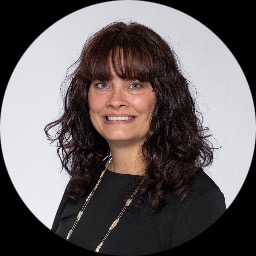
About Chelsea
Chelsea Vargas is a Licensed Clinical Social Worker (LCSW) who offers short- and long-term therapy to adults. She focuses on practical steps people can take when stress or anxiety gets in the way of daily life. Chelsea combines steady support with clear tools to help people manage difficult feelings and events.
She has three years of clinical experience in outpatient care, hospital settings, and crisis work. That range shaped her ability to help people facing co-occurring mental health and substance use concerns.
Background and approach
She also works with clients dealing with trauma, grief, and major life changes. Chelsea uses approaches grounded in Cognitive Behavioral Therapy and Dialectical Behavior Therapy. In sessions she helps people notice patterns, test out different responses, and build coping skills.
She also leaves room for deeper reflection and emotional processing when that is helpful. Her style is trauma-informed and strengths-based. Chelsea treats each person as the expert in their own life and focuses on collaboration.
She helps clients develop concrete strategies to reduce distress and regain a clearer sense of direction. Many people seek help for anxiety, stress, or substance use and find it useful to combine skill work with talk-based exploration. Chelsea supports that mix of practical skills and personal insight to help people move through transition, heal from past harm, and better manage day-to-day pressure.
Therapeutic approaches and online care
CBT, or Cognitive Behavioral Therapy, focuses on how thoughts, feelings, and behaviors connect. It uses simple exercises to test unhelpful beliefs and build more effective coping strategies, which can help with anxiety and stress.Dialectical Behavior Therapy, or DBT, teaches skills for emotion regulation, distress tolerance, and clearer communication. It is useful when intense emotions or relationship difficulties make daily life harder.
Finding the right approach is part of the work. The therapist will talk with each person about goals and preferences, then try methods that match those needs. This is a collaborative process and adjustments are made based on what helps most.
Online therapy offers flexible session options such as video calls, phone sessions, live chat, or text-based messaging. Video calls allow face-to-face conversation and skill demonstrations. Phone sessions can be easier when bandwidth is limited or a shorter check-in is needed. Live chat and text-based messaging can suit quick updates, symptom check-ins, or people who prefer writing. Together these formats make it easier to fit therapy into a busy life and to continue work between appointments.
Questions people ask
What concerns does she focus on?
What is her therapeutic style?
What experience does she bring?
What are her credentials and where is she based?
Can sessions be conducted in languages other than English?
Which session formats are available?
How does cost and payment work?
How do I begin working with her?
What this therapist works with
Also listed
- Attachment issues
- Autism and Asperger Syndrome
- Codependency
- Communication problems
- Coping with life changes
- Divorce and separation
- Drug and alcohol addiction
- First responder issues
- Forgiveness
- Grief
- Guilt and shame
- Intellectual disability
- Life purpose
- Men's issues
- Midlife crisis
- Post-traumatic stress
- Postpartum depression
- Self-harm
- Self-love
- Sexual dysfunction
- Smoking / vaping cessation
- Veteran and Armed Forces Issues
- Women's issues
- Workplace issues
- Young adult issues
Therapeutic approaches
- Experience
- 3 years
- Licensed
- Texas
- Languages
- English
We will earn a commission if you sign up through our link, at no cost to you.