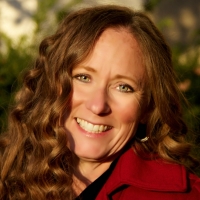
About Catherine
Catherine Lorino is a licensed social worker who uses practical therapy approaches to help people manage stress and anxiety. She brings calm, plainspoken guidance to conversations about relationships, parenting, and mood challenges. Catherine holds LSCSW and LCSW credentials and has three decades of clinical experience in varied settings.
She draws on Acceptance and Commitment Therapy and Cognitive Behavioral Therapy to help people notice unhelpful thinking patterns and take steps toward values-based living.
Background and approach
Attachment-based work and elements of Dialectical Behavior Therapy are woven into sessions when relationships and strong emotions are central concerns. The Gottman Method informs her work with couples and communication issues. Catherine’s background includes community mental health, special education, and service in the United States Army.
She has completed psychosocial assessments and worked with people facing trauma, depression, bipolar mood concerns, addictions, and severe mental illness. Her experience also covers working with students with special needs and challenging behaviors. Her style is collaborative and direct.
She helps people put feelings into words and tries to reduce shame and blame. Sessions focus on specific skills for stress management, healthy boundaries, and clearer communication. Catherine also offers training and consultation to schools and teams, and she has presented at universities and community groups.
She lives in Kansas, cares about veteran issues, and brings practical strategies shaped by many years in clinical practice.
Therapeutic approaches and online care
Acceptance and Commitment Therapy helps people notice thoughts and feelings without getting stuck in them, then choose actions that match what matters most. Cognitive Behavioral Therapy focuses on spotting unhelpful thinking and practicing different behaviors to reduce anxiety and depression. Attachment-Based Therapy looks at relationship patterns and helps people learn safer ways of connecting and communicating.Finding the right approach is a shared process. The therapist will talk with clients about their goals and try different methods together until something fits. Sessions are collaborative, with realistic steps and homework when that helps progress toward clearer relationships and less overwhelming anxiety.
Online therapy offers flexible ways to meet. Video calls let people have full conversations and visual cues. Phone sessions work well when bandwidth is limited or a shorter check-in is needed. Live chat and text-based messaging allow brief check-ins, ongoing support between sessions, and the ability to fit therapy into a busy day. These options make it easier to use ACT, CBT, attachment work, or Gottman-informed techniques without traveling to an office.
Questions people ask
What concerns does Catherine help with?
What is her therapeutic style like?
How much clinical experience does she have?
What credentials and region are listed?
Which languages and international options are supported?
What session formats are available?
How are fees and billing handled?
How do I begin therapy with her?
What this therapist works with
Most often
- Stress, Anxiety
- Relationship issues
- Family conflicts
Also listed
- Addictions
- Anger management
- Autism and Asperger Syndrome
- Bipolar disorder
- Career difficulties
- Codependency
- Commitment issues
- Communication problems
- Depression
- Divorce and separation
- Eating disorders
- Family of origin issues
- Family problems
- First responder issues
- Guilt and shame
- Infidelity
- Isolation / loneliness
- Life purpose
- Midlife crisis
- Mood disorders
- Parenting issues
- Post-traumatic stress
- Self esteem
- Self-love
- Sleeping disorders
- Social anxiety and phobia
- Trauma and abuse
- Veteran and Armed Forces Issues
- Women's issues
- Young adult issues
Therapeutic approaches
- Experience
- 30 years
- Licensed
- Kansas, Missouri
- Languages
- English
We will earn a commission if you sign up through our link, at no cost to you.