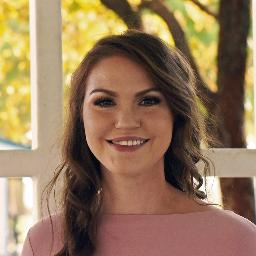
About Cassandra
Cassandra Singh is a Licensed Clinical Social Worker (LCSW) who helps people facing anxiety, stress, addiction, and related concerns. She speaks plainly and aims to make the first steps toward help feel manageable for someone feeling overwhelmed. She brings five years of clinical experience, with a focus on substance use work and more recent practice in mental health.
Cassandra has worked with adults on issues such as anxiety, low self-esteem, depression, grief, trauma, anger, and compassion fatigue.
Background and approach
She also focuses on drug and alcohol addiction alongside behavioral health concerns. Her approach is warm and interactive. Sessions are meant to be a conversation where the client’s goals guide the work.
Cassandra uses practical methods to identify patterns, build coping skills, and set concrete steps that fit daily life. Common tools she uses include cognitive behavioral techniques to change unhelpful thoughts, motivational interviewing to support readiness for change, and solution-focused strategies to map small, achievable goals. Dialectical behavior ideas are used when people need tools for emotion regulation and distress tolerance.
Cassandra treats people with respect and compassion and aims to make therapy feel like a collaborative effort. Her style emphasizes clear steps and simple skills people can use between sessions. She practices in North Dakota and conducts work in English.
Approaches that guide online sessions
Cognitive Behavioral Therapy helps people identify and change unhelpful thinking patterns and behaviors. It is useful for anxiety, low mood, and building practical coping strategies. Motivational Interviewing focuses on a person's readiness to change and uses conversation to strengthen their own reasons for taking steps forward. It is often used when addressing substance use and behavior change. Client-Centered Therapy centers on an individual's experience and uses empathy, active listening, and respect to create a trusting space for exploration.Choosing the right approach is part of the work together. The therapist will discuss goals, preferences, and what has or hasn’t helped before to decide which methods to try. That collaboration allows methods to be adjusted over time so the plan fits the person rather than the other way around.
Online therapy offers several practical benefits. Video calls allow face-to-face interaction when visual cues are helpful. Phone sessions can be a simpler way to check in when bandwidth is limited or when a shorter session fits a busy day. Live chat and text-based messaging work well for quick check-ins, skill reminders, or when writing out thoughts feels easier. These options make it simpler to fit regular sessions into everyday life while using the therapist's approaches to address anxiety, addiction, and related concerns.
Questions people ask
What concerns does Cassandra commonly address?
How would you describe her therapeutic style?
What is her clinical background and experience?
Which credentials and region apply to this therapist?
Are sessions offered in other languages or internationally?
What formats are available for sessions?
How does payment and cost work?
How do I get started with therapy?
What this therapist works with
Most often
- Stress, Anxiety
- Addictions
- Anger management
Also listed
- Compassion fatigue
- Depression
- Drug and alcohol addiction
- Grief
- LGBT
- Self esteem
- Trauma and abuse
Therapeutic approaches
- Experience
- 5 years
- Licensed
- Nevada, North Dakota
- Languages
- English
We will earn a commission if you sign up through our link, at no cost to you.