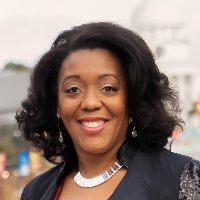
About Carmela
Dr. Carmela Drake helps people who are dealing with anxiety, stress, addictions, and life transitions. She offers practical support for low self-esteem, anger, relationship and communication problems, and work or career concerns.
Her approach is direct and compassionate, aimed at small, doable steps that fit daily life. She draws on cognitive behavioral techniques to identify and shift unhelpful thoughts and behaviors. She also uses Acceptance and Commitment Therapy ideas to help people name their values and take meaningful action.
Background and approach
Motivational Interviewing guides conversations about change when people feel stuck. Sessions are conversational and person-centered. She listens first, then suggests simple tools clients can try between meetings.
Goals and plans are practical and adjusted as progress is made. Dr. Drake brings 25 years of experience in addictions and mental health work.
She holds the LPC credential, which indicates a professional counseling license in Alabama. That background informs her work with process and substance-related concerns as well as the stress of major life shifts. People who reach out can expect clear, plain language and a focus on usable skills.
The work often mixes short-term strategies with ongoing conversation about values, boundaries, and healthier habits. Her aim is steady forward movement rather than quick fixes.
Therapeutic approaches that translate online
Acceptance and Commitment Therapy helps people notice thoughts and feelings without being driven by them and then take steps that align with what matters most. It can be useful for anxiety, stress, and navigating life changes. Cognitive Behavioral Therapy focuses on identifying unhelpful thinking and testing small behavior changes to reduce symptoms and improve daily functioning. It is commonly used for anxiety and low self-esteem. Motivational Interviewing is a collaborative conversation style that helps strengthen a persons own reasons for change and can be helpful when someone feels unsure about taking steps forward.Finding the right approach is part of the work together. The therapist will talk with each person about goals, preferences, and what has helped before, then use that input to shape sessions. Decisions about which methods to try are collaborative and can change over time as progress is made.
Online formats include video calls, phone sessions, live chat, and text-based messaging, which offer flexibility for different schedules. Video lets people use visual cues and deeper conversation. Phone sessions are a good option when bandwidth is limited or a shorter check-in is needed. Live chat and text messaging allow frequent, brief touchpoints and are useful for ongoing coaching-style support between longer sessions.
Questions people ask
What kinds of problems does she address?
What is her therapeutic style like?
How much experience does this therapist have?
What credentials and location are listed?
Which languages are supported and are international clients seen?
What session formats are available?
How does payment and cost work?
How do I begin working with this therapist?
What this therapist works with
Most often
- Addictions
- Parenting issues
- Anger management
Also listed
- ADHD
- Career difficulties
- Coaching
- Codependency
- Commitment issues
- Communication problems
- Compassion fatigue
- Coping with life changes
- Drug and alcohol addiction
- Family conflicts
- Forgiveness
- Life purpose
- Money and financial issues
- Process addiction (porn, exercise, gambling)
- Relationship issues
- Self esteem
- Self-love
- Sex addiction
- Stress, Anxiety
- Women's issues
- Workplace issues
- Young adult issues
Therapeutic approaches
- Experience
- 25 years
- Licensed
- Alabama
- Languages
- English
We will earn a commission if you sign up through our link, at no cost to you.